Pack-Flat Stainless Campfire Grill & Wood Stove Guide
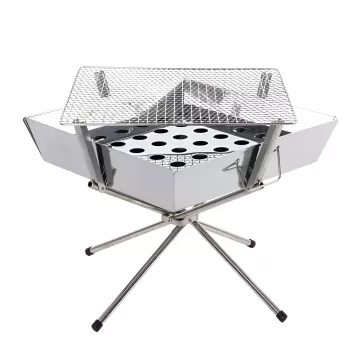
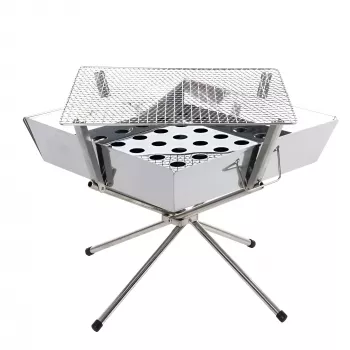
Portable Stainless Steel Foldable Campfire Grill & Wood Burning Stove
A pack-flat grill and wood-burning stove can turn a small pile of sticks into a steady heat source for cooking, boiling water, and warming up at camp. This foldable stainless steel design focuses on simple assembly, stable cookware support, and easy transport—useful for car camping, overlanding, beach cookouts, and backyard fire-cooking when a full-size fire pit isn’t practical.
What This Foldable Campfire Grill/Stove Is Made to Do
This style of foldable campfire grill/stove is designed to bridge the gap between “cook right on the ground” fires and bulkier freestanding grills. It combines open-flame cooking with a more contained burn area, helping direct heat where it’s needed while keeping cookware supported and level.
- Combines open-fire grilling with a contained burn chamber to concentrate heat and reduce wasted fuel.
- Supports common camp cookware: pots, kettles, pans, and small griddles depending on size and weight rating.
- Folds down for storage and transport; useful when space is limited in a trunk, gear bin, or camp kitchen tote.
- Runs on natural fuel (small wood pieces, twigs); helpful when propane resupply isn’t convenient.
- Works as a cooking station for quick meals (boil, sauté, grill) and as a small heat source for comfort.
At-a-Glance Setup and Use Checklist
| Step | What to do | Why it matters |
|---|---|---|
| Site selection | Place on bare mineral soil, sand, or a heat-safe base; keep away from roots and dry grass | Prevents accidental ground fire and improves stability |
| Assembly | Unfold panels, lock tabs/slots, confirm all corners sit flush | Reduces wobble and keeps airflow consistent |
| Fuel prep | Use dry twigs/split sticks; keep pieces short enough to fit without forcing | Cleaner burn, faster boil, less smoke |
| Ignition | Start with tinder/kindling; add small fuel gradually | Builds a hot coal bed for steady cooking |
| Cooking | Preheat grate/pot supports; adjust fuel to control heat | More even heat and fewer flare-ups |
| Shutdown | Let fuel burn down; extinguish fully with water/dirt as allowed | Leaves no hot embers and reduces wildfire risk |
Stainless Steel Benefits for Camp Cooking
Stainless steel is a practical material choice for gear that sees repeated heating, cooling, smoke exposure, and the occasional surprise drizzle. It won’t make camp cooking “mess-free,” but it does tend to handle real-world use with fewer worries about fragile coatings or quick corrosion.
- Corrosion resistance: handles damp conditions and occasional rain better than untreated steel.
- Heat tolerance: suitable for repeated heating/cooling cycles typical of campfire cooking.
- Easy cleanup: soot and grease can be scrubbed off without special coatings.
- Food-contact confidence: stainless steel is widely used for cookware and kitchen surfaces.
- Long service life when dried after use and stored away from salty environments.
Where It Fits Best: Camping Styles and Use Cases
Because it packs flat and burns small pieces of wood, a foldable campfire stove/grill fits into trips where space and flexibility matter more than “set it and forget it” convenience.
- Car camping: quick setup for breakfast and dinner without hauling a full grill.
- Overlanding: pack-flat storage pairs well with modular drawers and camp kitchen boxes.
- Backyard fire-cooking: controlled burn area can make small cook fires easier to manage.
- Beach and river trips (where permitted): elevates cookware away from wind-swept sand or damp ground.
- Emergency preparedness: cooking with scavenged wood when other fuel sources are unavailable.
How to Use It Well: Heat Control, Fuel, and Cookware Tips
Wood cooking is all about managing airflow, fuel size, and timing. With a compact burn chamber, small adjustments make a noticeable difference—especially once you’re trying to keep a simmer or avoid scorching a pan.
Safety and Leave-No-Trace Considerations
- Check fire restrictions before lighting any wood-burning stove; many regions impose seasonal bans. For an overview and links to local orders, see the U.S. Forest Service fire restrictions guidance.
- Clear the area: remove leaves, duff, and flammables; keep water nearby for extinguishing.
- Use a stable base: avoid unstable rocks that can shift; confirm the unit sits level before adding cookware.
- Mind the sparks: avoid use under low branches or near tents; synthetic fabrics can melt from radiant heat.
- Ash disposal: cool completely, then pack out or dispose where permitted; never dump hot ash on soil or in trash.
- Leave the site cleaner: strain food scraps from wash water and pack out trash to discourage wildlife. The Leave No Trace campfire guidance is a solid reference for minimizing impacts.
For general outdoor fire safety practices around homes and recreation, review the NFPA outdoor fire safety resources.
Cleaning, Storage, and Long-Term Care
Who This Type of Stove/Grill Is For (and Who Should Skip It)
Product Option
- Portable Stainless Steel Foldable Campfire Grill & Wood Burning Stove: a compact stainless setup designed to fold for transport while supporting grilling and pot cooking on natural fuel.
- Women’s Long-Sleeve Yoga Jacket & High-Stretch Fitness Set
- Personal Finance Made Easy Ebook – Budgeting, Saving, Investing & Debt Management Guide for Financial Freedom
FAQ
Can it be used during a fire ban?
Rules vary by jurisdiction, and many fire bans prohibit any wood-flame device, even small stoves. Some areas allow fully enclosed stoves under specific conditions, so check the current local order and land agency notices before using it.
What wood works best for a small foldable camp stove?
Use dry, small-diameter sticks and split pieces that fit easily without forcing. Denser hardwoods tend to burn longer, while softwoods can ignite quickly but may spark more; avoid wet or green wood for less smoke and better heat.
How should it be cleaned after cooking to prevent rust and odors?
After it cools completely, dump ash, brush off soot, and wash greasy areas with mild soap, then rinse and dry thoroughly. Stainless steel resists rust, but storing it damp can cause spotting and lingering odors, so pack it away dry in a bag.













Leave a comment