Soft Cotton Bandana Bib: Teething Drool & Feeding Help
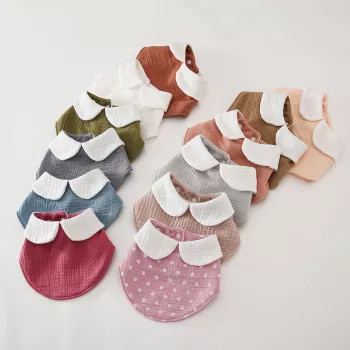
Soft Cotton Baby Bandana Bib – Cute Triangle Drool & Feeding Scarf
A bandana-style bib combines everyday drool control with a cute, outfit-friendly look. Soft cotton helps keep baby comfortable during teething, bottle feeds, and early solids—while the triangle shape sits neatly under the chin to catch drips before they soak shirts and onesies. If daily damp collars, chin rash flare-ups, or constant outfit changes are part of the routine, a slim bandana bib can be one of those small upgrades that makes caregiving feel smoother.
What Makes a Bandana Bib Different
- Triangle shape rests higher on the chest than many traditional bibs, helping catch drool close to the mouth.
- Bandana style doubles as a light “scarf” look for photos, outings, and daycare.
- Often less bulky than full-coverage bibs, which can help babies tolerate wearing it longer.
- Useful beyond meals—especially during teething, naps in the stroller, and car rides.
For everyday wear, many parents prefer the way a triangle bib sits neatly at the neckline without the “apron” feel of larger bibs—while still offering enough coverage to keep the top of a onesie from getting soaked.
Comfort and Fabric Feel
- Soft cotton is breathable and gentle for sensitive baby skin.
- A comfortable bib should lie flat under the chin without rubbing the neck folds.
- For heavy droolers, a snug-but-not-tight fit helps reduce leaks down the collar.
- When layering with jackets or sleep sacks, a flatter triangle bib can reduce bunching at the neckline.
Comfort shows up in the little moments: fewer tugging hands, less neckline bunching in car seats, and a bib that stays in place during play. When a bib sits too low, drool can run down the chest before it’s absorbed. When it sits too high or tight, it can rub the neck—so aiming for a smooth, flat fit is the sweet spot.
Everyday Use: Drool, Feeding, and Outings
- Teething days: swap bibs as they dampen to help keep skin and clothing drier.
- Bottle and breastfeeding: catches dribbles and spit-up around the neckline.
- First foods: works as a light bib for purees and snacks (especially when paired with a full-coverage bib for messier meals).
- On the go: easy to pack; a spare bib can save an outfit change during errands.
Bandana bibs shine during “in-between” moments—those times when baby isn’t exactly eating, but drool and dribbles still happen. They’re also handy when starting solids: while a full bib may still be the best defense for saucy meals, a slim triangle bib can be a comfortable option for quick snacks, a few spoonfuls of puree, or a bottle right before heading out.
For feeding guidance as baby transitions from milk feeds to solids, the CDC’s infant and toddler nutrition hub is a helpful reference for age-appropriate milestones and safety basics: CDC — Infant and Toddler Nutrition.
Fit, Fastening, and Safety Checks
- Choose a fastening that allows quick on/off while keeping a secure hold during active play.
- Check that the bib doesn’t ride up toward the mouth when baby is seated in a high chair.
- Remove bibs for sleep unless advised otherwise by a pediatric professional; follow safe sleep guidance.
- Inspect regularly for loose threads, damaged fasteners, or stretched fabric—replace if wear affects safety or function.
A quick daily check takes only seconds: confirm the bib sits below the chin without creeping upward, and make sure closures are secure and intact. For sleep safety, follow current guidance from the American Academy of Pediatrics: American Academy of Pediatrics — Safe Sleep Recommendations.
It’s also smart to stay aware of any safety notices for baby products in general by checking the U.S. Consumer Product Safety Commission recall page: CPSC — Product Safety Recalls.
Care and Longevity
- Wash before first use to improve softness and remove any residual packaging dust.
- Rotate between multiple bibs to reduce constant dampness against skin.
- Treat food stains promptly; rinsing soon after meals can reduce set-in discoloration.
- Air-dry or tumble dry on gentle settings when possible to help maintain shape.
Rotating bibs is one of the easiest ways to keep baby comfortable: switching out a damp bib reduces prolonged moisture on the skin and helps minimize redness around the chin and neck folds. For stain-prone phases (hello, berries and sweet potato), a quick rinse right after meals often prevents that “permanent souvenir” look.
Quick Comparison: Bandana Bib vs. Traditional Bib
Bandana Bib and Traditional Bib at a Glance
| Feature | Bandana Bib | Traditional Bib |
|---|---|---|
| Coverage | Neckline and upper chest | Wider chest/torso coverage |
| Best for | Drool, dribbles, light meals | Messy solids, sauces, high-chair meals |
| Bulk at the neck | Lower | Can be higher depending on style |
| Outfit look | Scarf-like, photo-friendly | More utilitarian |
When a Bandana Bib Makes a Great Gift
Product Details at a Glance
- Product: Soft Cotton Baby Bandana Bib – Cute Triangle Drool & Feeding Scarf
- Price: $9.01 (USD)
- Availability: In stock
- Use cases: drool control, feeding dribbles, everyday outfit protection
For a thoughtful add-on that complements daily baby care, pair it with Eco-Friendly Cloth Diaper Gift Set with Wet Bag—a practical way to keep essentials organized at home or on the go.
FAQ
Are bandana bibs good for heavy droolers?
Yes for everyday drool, especially if you rotate bibs during peak teething and keep the neckline snug-but-not-tight. For very heavy drool, having a backup bib ready helps prevent damp collars and frequent outfit changes.
How often should a drool bib be changed?
Change it as soon as it feels damp to help reduce skin irritation and keep clothing dry. The right frequency depends on drooling intensity, feeding times, and even room temperature.
Can a baby wear a bandana bib for naps or sleep?
Follow safe sleep guidance and generally remove bibs for sleep unless a pediatric professional advises otherwise. Prioritizing a clear, unobstructed sleep environment is the safest habit.













Leave a comment