Ultralight 4-Season 2-Person Tent: Waterproof Double-Layer
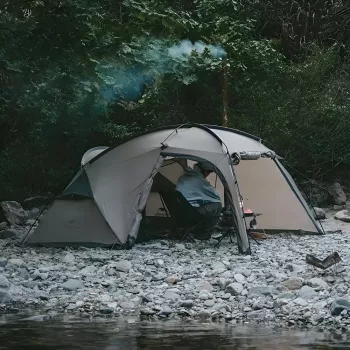
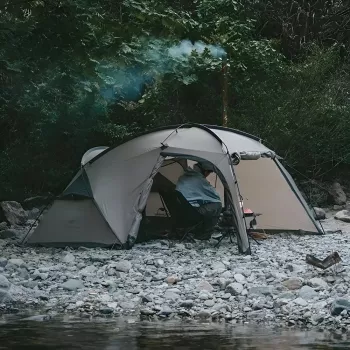
Ultralight 4-Season Waterproof Hiking Tent for 2: Double-Layer Shelter for Trekking Trips
A dependable trekking tent needs to balance weight, weather protection, and livability—especially when conditions shift from warm evenings to windy, wet, or snowy nights. A well-designed 2-person, double-layer, four-season tent gives you a breathable sleeping space protected by a full-coverage fly, plus the stability to stay quiet and secure when gusts pick up. Below is a practical guide to what matters most, how to pitch fast in foul weather, and how to keep a lightweight shelter performing trip after trip.
What Makes a Four-Season Double-Layer Tent Different
Four-season tents are built around stability. Compared with typical three-season models, they tend to use stronger pole structures and weather-shedding shapes that resist bending and flapping in wind, rain, and light snow loading. That structural confidence matters most above treeline, on exposed ridges, and during shoulder seasons when forecasts can change quickly.
A double-layer setup (inner tent plus rainfly) also changes how the tent “feels” overnight. The inner body provides a more breathable living space, while the fly acts as the waterproof shell. That separation helps manage condensation—especially when outside temperatures drop and moist breath meets cold fabric.
Real waterproof performance comes down to construction details: fabric coatings, seam taping or sealing, the height and shape of the bathtub floor, and whether the fly truly covers the inner. Ultralight success isn’t simply about thinner fabric; it’s about smart geometry, effective guyout points, and a fly that pitches taut without sagging.
| Feature | Single-Layer Tent | Double-Layer Tent |
|---|---|---|
| Condensation control | More prone in humid/cold conditions | Typically better due to airflow and separation |
| Warmth and draft control | Varies; can feel clammy in cold | Often warmer-feeling with fly blocking wind |
| Storm versatility | Can be strong but requires good venting design | Excellent when fly coverage and guyouts are used |
| Setup in rain | Sometimes faster, but interior can get wet | Can pitch fly first or quickly cover inner (model-dependent) |
Key Performance Factors to Check Before a Trip
Weight that matches how you hike
Confirm whether the listed weight includes stakes, guy lines, and any footprint. “Packed weight” can differ from “trail weight,” and those missing ounces add up when you’re already carrying food and extra layers for four-season conditions.
Waterproof protection that holds up in real rain
Look for a full-coverage rainfly, a bathtub-style floor that rises up the sides, and seams that are taped or reliably sealed. Even great fabrics can leak if seams and corners aren’t finished well or if the fly doesn’t cover the inner during wind-driven rain.
Wind resistance on exposed camps
Guyout points matter. More attachment points let you distribute force across the structure and keep panels from flexing. A lower, more aerodynamic profile also reduces stress on poles and keeps the tent quieter when gusts arrive overnight.
Ventilation you can use in bad weather
Roof vents, mesh panels, and the ability to crack doors under the fly help reduce condensation. The goal isn’t a wide-open “breezy” pitch—it’s controlled airflow that clears humid air without dumping rain onto your sleeping bags.
Space for two people (plus gear)
For two hikers, focus on shoulder width, headroom, and vestibule storage. Packs and wet shoes are best kept outside the sleeping area, so vestibules aren’t a luxury—they’re often what keeps the inner dry and comfortable.
Cold-weather usability
How to Pitch for Storm-Ready Protection (Fast Trail Routine)
Before committing to camp, it’s smart to check updated conditions. The NOAA National Weather Service is a reliable source for forecasts and alerts that can help you choose a sheltered site or adjust timing.
Comfort and Condensation: Practical Tips for Two People
For camp selection and low-impact practices, follow Leave No Trace guidance to minimize site damage while still choosing safer, drier ground.
Care, Storage, and Field Repairs
For more detailed maintenance routines, REI Expert Advice offers practical care tips that translate well to most modern tent materials.
A Trail-Friendly Option: Ultralight 4-Season Waterproof Hiking Tent for 2
If you want a compact, trekking-focused shelter that prioritizes weather coverage without turning your pack into a burden, consider the Ultralight 4-Season Waterproof Hiking Tent for 2. Its double-layer construction supports condensation control across variable temperatures, while the four-season orientation favors stability for windy nights and wet forecasts.
| Item | Details |
|---|---|
| Name | Ultralight 4-Season Waterproof Hiking Tent for 2 | Double Layer Trekking Tent |
| Price | $581.47 USD |
| Availability | In stock |
| Product page | View details |
For shoulder-season trips, a flexible layering piece can also help you stay comfortable while setting up in wind or drizzle. The Women’s Long-Sleeve Yoga Jacket & High-Stretch Fitness Set works well as a light active layer for movement around camp when temperatures dip.
FAQ
Is a four-season tent necessary for regular hiking trips?
Four-season tents are most valuable when wind, shoulder-season cold, or potential snow are realistic concerns. For warm, calm summer conditions, a lighter three-season tent is often sufficient if the forecast and terrain are forgiving.
How can condensation be reduced in a double-layer tent?
Keep vents open as much as conditions allow, store wet gear in vestibules, and choose higher, drier campsites when possible. Even during rain, maintaining a small airflow path under the fly is often the difference between a damp interior and a comfortable night.
What should be checked to confirm a tent is truly waterproof?
Check for full fly coverage, a properly shaped bathtub floor, and taped or well-sealed seams, plus fabric coatings that match the tent’s intended conditions. Proper pitching—taut panels, correct staking, and using guy lines—also plays a major role in real-world waterproof performance.













Leave a comment