Ultra-Light Breathable No-Pull Dog Harness (Small/Medium)
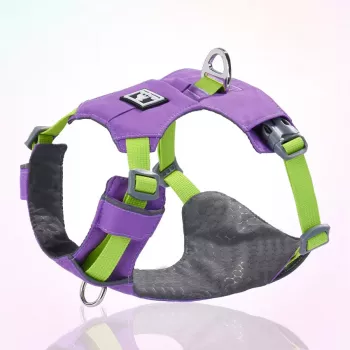
Ultra-Light No-Pull Breathable Dog Harness for Small & Medium Dogs
An ultra-light, breathable harness can make everyday walks calmer and more comfortable—especially for small and medium dogs that overheat easily or pull when excited. A well-designed harness spreads pressure across the chest (instead of the throat), supports steadier leash manners, and stays comfortable on longer strolls without rubbing or trapping heat. When the fit is stable and the materials are airy, many dogs move more naturally, and handlers get more control in busy, real-world settings like sidewalks, parks, and apartment hallways. For more guidance, see Dog Harnesses – VITAL VET REVIEW.
Who This Harness Style Fits Best
- Small and medium dogs that get warm quickly during walks, hikes, or sunny errands
- Dogs that pull or lunge and need a front-control option to help redirect momentum
- Pets that dislike bulky gear and do better with a light, barely-there feel
- Owners who want quick on/off and easy daily adjustments for changing coats or seasonal layers
- City walkers needing better control at crosswalks, elevators, and crowded paths
If a dog has a sensitive trachea, is prone to coughing when excited, or tends to dart toward squirrels, a harness can be a gentler choice than a collar. The American Kennel Club also notes key differences between harness styles and how they can affect comfort and control (AKC — Dog Harnesses: What to Know). For further reading, see 10 Best Harness for Pomeranian Dogs.
Comfort and Breathability Details That Matter
Breathability isn’t just a buzzword. On warm days, a dog’s chest and shoulder area can trap heat under thick fabrics, especially during brisk walking. Choosing a harness with airflow-friendly panels and soft contact points can reduce fidgeting, scratching, and “I don’t want to move” moments.
- Airflow-focused mesh or perforated panels help reduce heat buildup on the chest and shoulders
- Smooth edge binding and soft contact zones reduce rubbing behind the front legs
- A lightweight structure helps prevent “gear fatigue” on longer walks or for sensitive dogs
- Balanced coverage supports comfort without restricting shoulder movement
- Look for hardware placement that avoids pressure points when the leash is clipped
Quick comfort checklist for a breathable no-pull harness
| Feature to check | Why it matters | What to look for |
|---|---|---|
| Breathable body material | Helps manage heat and moisture | Mesh/vented fabric that feels cool and dries fast |
| Edge finish | Prevents chafing | Soft binding; no stiff seams near armpits |
| Weight and bulk | Affects willingness to wear | Light feel; flexible panels |
| Adjustment points | Improves fit and stability | Straps that tighten evenly without twisting |
| Clip placement | Influences pulling behavior | Front option for guidance; back clip for steady walkers |













Leave a comment