Luxury Spherical Tent Guide: Weather-Ready Glamping
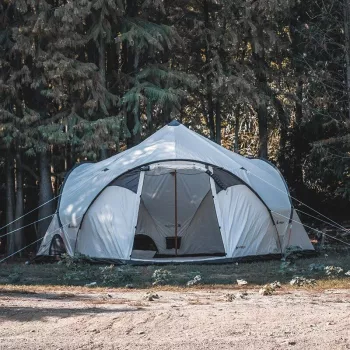
Weather-Resistant Luxury Spherical Camping Tent: Glamping Comfort Built for Real Weather
A spherical camping tent adds a distinctive, modern silhouette to any campsite while delivering a naturally stable structure for shifting conditions. The curved profile helps the shelter stay composed in gusts, and the tall interior volume can feel more like a lounge than a traditional tent. Below is a practical guide to what makes a luxury, weather-resistant sphere tent worth considering—materials, weather protection, comfort features, setup habits, and long-term care—so it’s easier to match the tent to a glamping weekend, a backyard retreat, or an extended base-camp stay.
What Sets a Spherical Tent Apart
Sphere-style tents borrow from dome architecture: fewer hard corners, less “sail” effect, and a structure that encourages even load distribution. That matters when winds shift direction or when rain hits hard and fast.
- A dome-like sphere profile helps distribute wind loads more evenly than flat-sided shelters.
- Panoramic windows and tall interior volume can create an airy, lounge-like feel—especially at sunrise and sunset.
- Luxury builds typically focus on thicker fabrics, upgraded zippers, and a more comfortable living space for real downtime.
- Best suited for base-camp style trips, glamping sites, or semi-permanent backyard setups rather than ultralight hiking.
Weather Resistance, Explained
Rain: coatings, seams, and coverage
Rain performance isn’t just “waterproof or not.” It comes down to the outer fabric coating, how the seams are built, and how much of the tent is protected by a rainfly or outer shell. Wind-driven rain finds weak points quickly, so seam construction and storm flaps matter just as much as fabric.
Wind: structure, tautness, and anchors
A spherical tent can be naturally efficient in wind because curved surfaces reduce pressure on big flat panels. Still, the real test is whether the frame stays rigid and whether the shell can stay taut. Multiple guy-out points and solid anchoring are what turn a good shape into a storm-ready setup.
Cold and condensation: comfort is moisture management
In cool nights, condensation can feel like “leaks” even when the tent is dry from the outside. Draft control, optional insulation layers (when available), and ventilation design help keep moisture from building up. Keep airflow paths open and avoid letting wet clothing or shoes dry inside without ventilation.
Sun and UV exposure: the slow wear factor
UV damage is gradual but real: prolonged sun exposure can weaken fabrics and fade coatings. UV-resistant materials help, but smart habits matter too—rotate the tent’s orientation on longer stays, and store it clean and dry between trips.
Key Materials and Build Details to Look For
For storm awareness and planning, the NOAA National Weather Service weather safety resources are a reliable starting point before any trip where wind, lightning, or heavy rain is possible.
Comfort Features That Make It Feel “Luxury”
In hot conditions, comfort is also a safety issue—shade, hydration, and airflow matter. The CDC guidance on preventing heat-related illness is helpful when glamping in peak summer temperatures.
At-a-Glance Specs and Use-Case Fit
| Feature | Why It Matters | What to Confirm Before Buying |
|---|---|---|
| Waterproof floor (bathtub design) | Prevents ground moisture and pooling water from seeping in | Floor material, seam sealing, and how high the bathtub wall rises |
| Sealed or taped seams | Reduces leaks in heavy rain and during wind-driven storms | Seam tape coverage and reinforcement at stress points |
| Ventilation and airflow paths | Helps control condensation and improves comfort in mild weather | Roof vents, low vents, mesh panels, and ability to vent during rain |
| Guy-out points and anchors | Improves stability in gusts and keeps the shell taut | Number of guy points, included stakes, and reinforced webbing |
| Window/privacy system | Balances views and daylight with nighttime privacy | Curtains, blinds, or removable covers; mesh for bugs |
| Setup time and footprint | Determines how practical it is for quick trips and site constraints | Required area, pole complexity, and whether one person can pitch it |
Setup, Site Selection, and Storm Prep
For low-impact camping practices around site choice and cleanup, the Leave No Trace Seven Principles are a useful reference—especially when setting up larger base-camp shelters.
Care, Cleaning, and Storage for Long Service Life
Product Spotlight: Weather-Resistant Luxury Spherical Camping Tent
If the goal is a premium camping setup with a standout spherical profile, the Weather-Resistant Luxury Spherical Camping Tent is built for glamping-style comfort where interior space and ambiance matter. It’s a strong fit for base-camp weekends, scenic overlooks, and backyard escapes where a larger footprint is acceptable. Check the product page for current dimensions, what accessories are included, and any specific setup requirements.
Optional Add-On for Cozy Camp Downtime
For cool evenings and early-morning stretches around camp, comfortable layers can make the whole setup feel more “finished.” The Women’s Long-Sleeve Yoga Jacket & High-Stretch Fitness Set is an easy grab for lounging, light activity, and staying warm without bulky outerwear.
FAQ
Do spherical tents handle wind better than traditional cabin tents?
Often, yes—curved shapes tend to shed wind more smoothly than tall flat walls, which can reduce the “push” on the shelter. Performance still depends on frame strength, proper staking, guy lines, and choosing a site that isn’t fully exposed.
How can condensation be reduced in a luxury camping tent?
Use cross-ventilation (roof vents plus low vents), keep vents cracked open overnight, and avoid drying wet gear inside without airflow. Condensation is more likely with high humidity and big temperature swings, so keeping bedding and gear from blocking vents also helps.
Is a luxury spherical tent practical for regular camping trips?
It’s practical for car camping and base-camp trips where space and comfort are the priority. Because sphere tents are typically larger and heavier than backpacking shelters, they’re less suited to hike-in camping.











Leave a comment