Walk-In Tunnel Greenhouse: 14.8×6.6×6.6 ft Season Boost
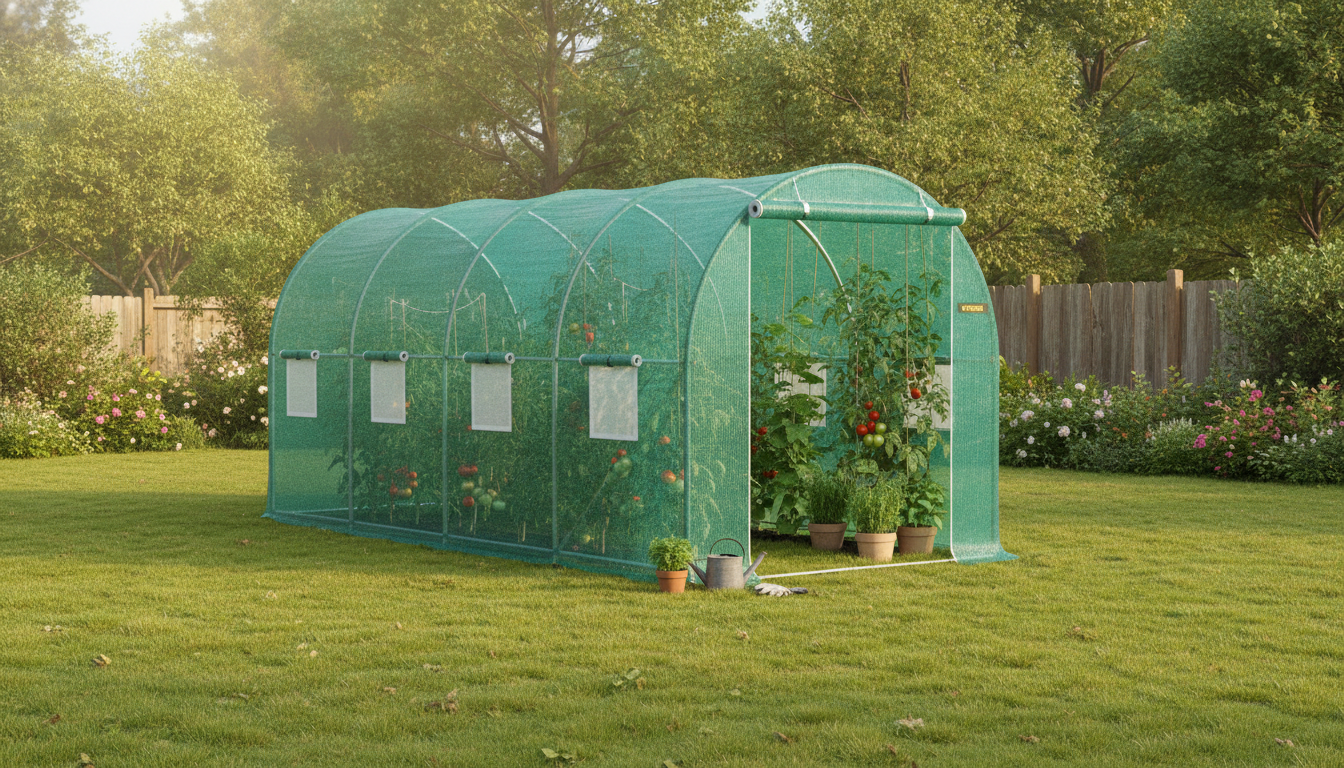
Walk-In Tunnel Greenhouse: A Simple Upgrade for a Longer, Easier Growing Season
A walk-in tunnel greenhouse adds a protected growing zone for starting seedlings early, extending harvests later, and shielding plants from wind, heavy rain, and light frosts. This 14.8×6.6×6.6 ft tunnel design combines a galvanized steel frame with a PE cover to create a roomy, practical space for containers, raised beds, or in-ground rows. For many backyards, it’s the “just right” middle ground—more control than open-air beds, without the expense or permanence of glass structures.
What a walk-in tunnel greenhouse is best for
- Season extension: Warm the air and soil earlier in spring and hold warmth longer into fall for greens, herbs, and cool-season crops.
- Weather protection: Reduce damage from wind, driving rain, hail, and sudden temperature dips.
- Healthier plants: Limit leaf wetness that can contribute to fungal issues compared with open-air growing.
- Flexible layouts: Fit shelving along the sides, a center aisle, or two growing rows with access down the middle.
- Hobby to serious home use: Great for seedlings, cut flowers, and overwintering hardy potted plants (with added insulation/heat as needed).
Quick specs and what they mean in the garden
The overall footprint—14.8×6.6×6.6 ft—supports a true walk-in setup so daily tasks don’t feel cramped. The tunnel shape improves headroom in the center aisle and helps shed wind and light precipitation. A PE cover balances light transmission and heat retention for everyday backyard growing, while the galvanized steel frame is built to resist corrosion in humid conditions.
At-a-glance details
| Feature | Specification | Why it matters |
|---|---|---|
| Overall size | 14.8×6.6×6.6 ft | Provides a walk-in aisle with space for beds, pots, or shelving |
| Cover material | PE cover | Helps retain warmth and reduces wind stress on plants |
| Frame material | Galvanized steel | Improves durability and rust resistance over time |
| Style | Walk-in tunnel | Efficient footprint for backyards and side yards |
| Primary use | Season extension & protection | Supports earlier starts and later harvests in many climates |
Materials: PE cover and galvanized steel frame
Polyethylene (PE) is a go-to material for garden tunnels because it’s lightweight, flexible, and effective at trapping heat. In bright conditions, PE often diffuses light enough to reduce harsh hot spots while still supporting vigorous growth—helpful for tender seedlings and leafy greens that can scorch in sudden heat spikes.
The galvanized steel frame is designed for the reality of greenhouse humidity: condensation forms, drips, and sits on surfaces. A zinc coating helps protect the steel from rusting over time. For best performance, periodically check cover tension, frame connections, and any spots where the film could rub against metal edges.
Placement and site prep for stability
- Choose sun: Aim for 6–8+ hours of direct sun, especially important in spring and fall when the sun sits lower.
- Pick a level base: A flatter site reduces stress on the frame and helps closures operate smoothly.
- Plan for wind: If possible, position near a fence or hedge for buffering (without casting shade) and orient the structure to reduce impact from prevailing winds.
- Improve drainage: Avoid low spots where water pools. A gravel or paver aisle keeps footing clean and can reduce humidity spikes from muddy soil.
- Anchor well: Use ground stakes/anchors suited to your soil type, and add extra tie-downs if your area gets gusty.
Local climate matters. Checking your region on the USDA Plant Hardiness Zone Map can help set expectations for how much protection is needed for overwintering and how early you can safely push spring starts.
Ventilation and temperature control
A tunnel greenhouse can heat up fast—even on days that feel mild outside—so venting is often the difference between thriving plants and heat stress. Open doors/vents on sunny mornings, then adjust as clouds roll in or temperatures drop. Regular airflow also reduces condensation on leaves, which can lower disease pressure.
For deeper management tips and best practices, Penn State Extension’s overview of high tunnels is a useful reference for planning and seasonal operation.
Practical ways to use the interior space
Care and maintenance for longer service life
If you want additional operational guidance (fertility, watering, and general greenhouse workflows), the University of Massachusetts Extension has strong resources on greenhouse management.
When this size tunnel greenhouse is a good fit
In-stock picks
- Walk-in Tunnel Greenhouse 14.8×6.6×6.6 ft with PE Cover & Galvanized Steel Frame ($123.32)
- Personal Finance Made Easy Ebook – Budgeting, Saving, Investing & Debt Management Guide for Financial Freedom ($20.99)
FAQ
Does a PE-covered tunnel greenhouse need ventilation every day?
On sunny days, yes—PE-covered tunnels can overheat quickly due to solar gain. Use a min/max thermometer to learn your tunnel’s patterns and vent early to keep temperatures and humidity in a healthy range.
Can this type of tunnel greenhouse handle wind and storms?
It can perform well when it’s sited thoughtfully and anchored correctly for your soil. Keep the cover taut, check frame connections regularly, and consider extra tie-downs in windy areas; in extreme weather, follow manufacturer guidance on additional precautions.
What can be grown in a walk-in tunnel greenhouse through cooler months?
Cool-season crops like lettuce, spinach, kale, cilantro, and hardy herbs are common choices. For colder nights, adding an inner row cover can provide extra protection, while deep-winter growing may require supplemental heat depending on your climate.












Leave a comment