Ultrasonic Cold Fog Humidifier: Quiet Cool Mist Comfort

Ultrasonic Cold Fog Humidifier: Quiet Moisture for Comfortable Rooms
Dry indoor air can lead to scratchy throats, restless sleep, and irritated skin—especially during heating or air-conditioning seasons. An ultrasonic cold fog humidifier adds fine, cool mist to help balance room humidity while staying quiet enough for bedrooms, nurseries, and workspaces.
What an Ultrasonic Cold Fog Humidifier Does
An ultrasonic cold fog humidifier boosts comfort by adding moisture to the air in the form of a fine, cool mist. This can make everyday life feel less harsh during winter heating months or in summer when AC pulls humidity out of the air.
- Adds moisture to indoor air by dispersing a fine, cool mist
- Designed for everyday comfort during dry seasons, heated homes, and air-conditioned rooms
- Often preferred for quiet operation in sleep spaces and shared rooms
- Cool mist can be a practical option for homes with kids or pets because there’s no heated steam
How Ultrasonic Cold Fog Technology Works
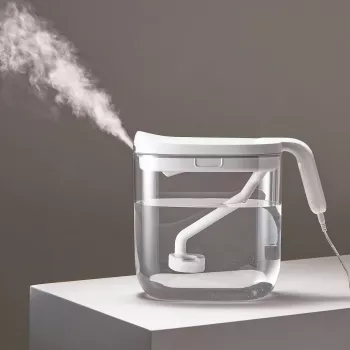
Ultrasonic models use a high-frequency vibrating diaphragm (often called an ultrasonic plate) to break water into tiny droplets. A fan or internal airflow channel then helps move the mist out into the room. Many units also let you adjust output so you can run a lighter mist during the day and a stronger setting overnight.
- Uses a high-frequency vibrating diaphragm to break water into tiny droplets
- A fan or airflow channel helps push the mist outward into the room
- Mist output is typically adjustable, allowing lighter daytime use and stronger overnight use
- Because the water isn’t boiled, mineral content in the water can matter more than with steam humidifiers
Humidifier Types at a Glance
| Type | How it humidifies | Typical strengths | Typical trade-offs |
|---|---|---|---|
| Ultrasonic cool mist | Vibration turns water into fine mist | Quiet, energy-efficient, comfortable for sleep | Needs regular cleaning; minerals in hard water can leave white dust |
| Evaporative | Fan pulls air through a wet wick/filter | Self-regulating output; less white dust | Fan noise; filter replacement and upkeep |
| Warm mist (steam) | Heats water to create steam | Reduces most minerals in output; warms the room slightly | Hot surface/steam; more energy use |
Everyday Benefits in Bedrooms, Nurseries, and Offices
Comfort benefits are often most noticeable where people spend long, uninterrupted hours—like bedrooms and nurseries. Offices also tend to run dry due to HVAC systems and closed windows, so consistent, gentle humidification can help the air feel less “crispy.”
- Sleep comfort: balanced humidity can reduce dry-mouth and nighttime throat irritation
- Skin comfort: helps limit the “tight skin” feeling common in dry air seasons
- Room feel: can make heated or air-conditioned spaces feel less harsh
- Quiet background operation can suit light sleepers and nap times
- Pairs well with good ventilation habits and regular dusting to keep indoor air feeling fresh
For broader indoor air quality guidance and moisture management, resources from ASHRAE can be useful, especially when balancing comfort with building health.
Choosing the Right Humidity Level (and Why It Matters)
Comfort is about moderation: too dry can feel irritating, while too humid can encourage mold and dust mite growth. Many health and building-science sources commonly recommend keeping indoor relative humidity in a moderate range; a practical day-to-day target often lands around 30–50%, adjusted for outdoor temperatures and how your home behaves.
- Many sources commonly recommend keeping indoor relative humidity in a moderate range to reduce dryness while discouraging mold growth
- A simple hygrometer can confirm whether the room is too dry or drifting too damp
- If windows show frequent condensation, humidity may be too high for the temperature—reduce mist output and improve airflow
- If skin and throat feel persistently dry, consider increasing runtime or relocating the unit for better circulation
Moisture control is also a key part of preventing mold. For practical prevention steps, see the EPA’s guidance on moisture control and the CDC’s mold prevention overview.
Placement Tips for Better Mist Distribution
Where the humidifier sits affects how evenly humidity spreads and whether nearby surfaces get damp. Good placement supports comfortable, consistent moisture without concentrating mist on fabrics, walls, or electronics.
Water Quality: Reducing White Dust and Odors
Cleaning and Maintenance Routine
Common Issues and Quick Fixes
Ultrasonic Cold Fog Humidifier Product Page
If you’re ready to add quiet moisture to a bedroom, nursery, or home office, visit the Ultrasonic Cold Fog Humidifier product page to check current price, availability, and listed features (such as mist settings, timers, or lights), and to review shipping and return details.
- For nursery essentials and gifting, see the Eco-Friendly Cloth Diaper Gift Set with Wet Bag
- For comfortable at-home routines, browse the Women’s Long-Sleeve Yoga Jacket & High-Stretch Fitness Set
FAQ
Is cool mist safe to use overnight in a bedroom or nursery?
Cool mist avoids hot steam, which can reduce burn risk compared with warm-mist units. For best results, place the humidifier away from bedding and electronics, keep humidity in a moderate range, and clean the tank and internal parts regularly to discourage microbial growth.
Why is there white dust around an ultrasonic humidifier?
White dust is typically caused by minerals in hard water becoming airborne as fine residue when the mist evaporates. Switching to distilled or demineralized water and cleaning the unit more frequently can greatly reduce buildup on nearby surfaces.
What humidity level is best for everyday comfort?
A common comfort target is around 30–50% relative humidity, with seasonal adjustments based on outdoor temperature and indoor condensation. Using a hygrometer helps you avoid going too high, which can increase condensation and mold risk.















Leave a comment