Tall Narrow Bookshelf Guide: Fit, Style & Safety Tips
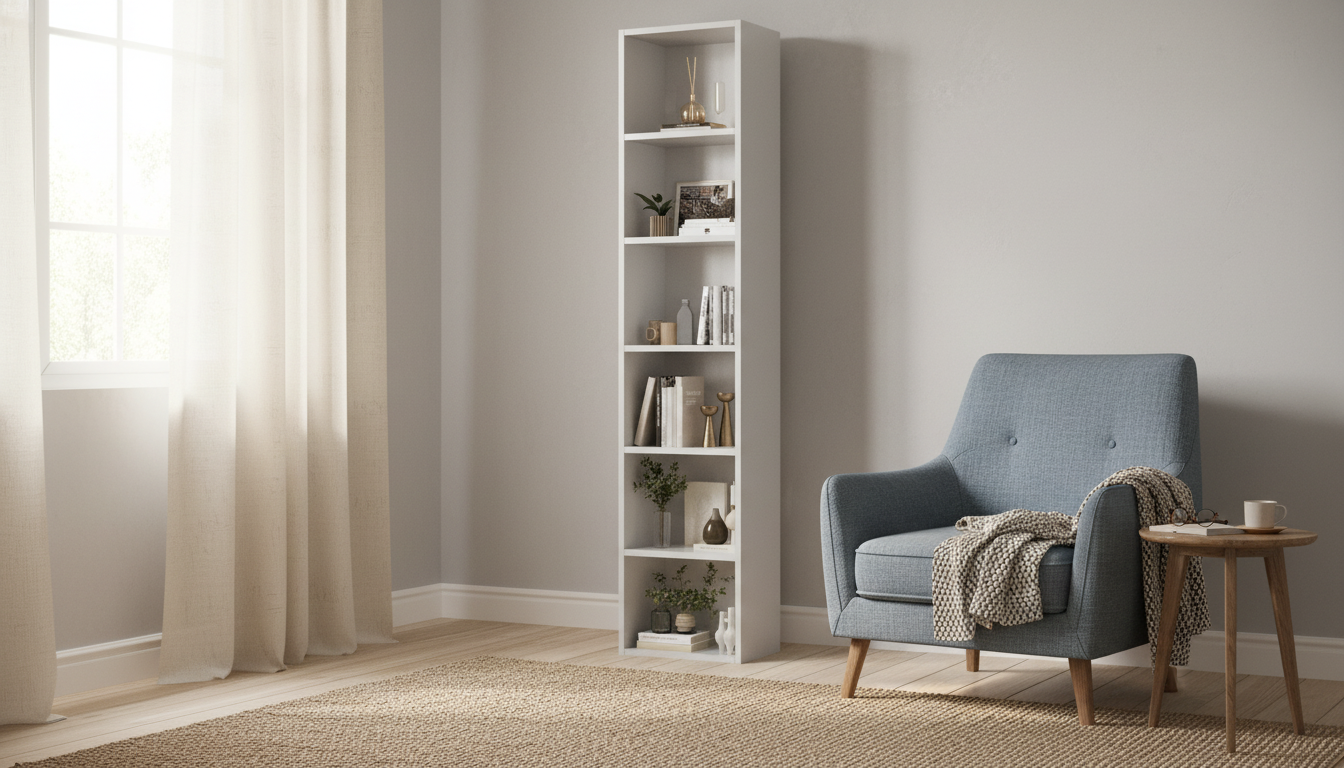
71.5″ Tall Narrow Bookshelf for Small Spaces: Vertical Storage That Fits
A tall, narrow bookshelf is a practical way to add storage in tight rooms without sacrificing floor space. Instead of widening your footprint, you build upward—making it easier to keep walkways open and daily-use areas comfortable. Below are the best placements, the measurements that prevent “almost fits” mistakes, styling ideas for a clean look, and care tips—plus a quick spec and fit checklist for the 71.5″ Tall Narrow Bookshelf.
Why a Tall, Narrow Bookshelf Works So Well
Small spaces rarely lack wall height—they lack open floor. A narrow bookshelf takes advantage of the vertical area that often goes unused, helping you store more without making the room feel tight.
- Uses vertical wall height to increase storage while keeping walkways clear
- Fits into “in-between” spots: beside a desk, next to a sofa, or in a hallway corner
- Helps organize mixed items (books, baskets, decor) in one compact footprint
- Creates a visual anchor in small rooms without looking bulky
Best Places to Put One at Home
A slim, tall unit is flexible—especially where a wide dresser or low cabinet would feel heavy. The key is to place it where it supports your routine and doesn’t interfere with movement.
- Living room: flank a TV stand, fill an unused corner, or create a small reading nook
- Bedroom: use as a slim alternative to a bulky dresser for books, bins, and accessories
- Home office: keep reference books and supplies within reach without crowding the desk
- Entryway/hall: store shoes in baskets, mail tray, and grab-and-go items on lower shelves
- Kid’s room: display books front-facing with bins on lower shelves for easy cleanup
Measurements to Check Before Buying
Most frustration with storage furniture comes down to a few missed measurements. A quick check now can prevent blocked doors, awkward gaps, and setups that feel cramped.
- Ceiling height and baseboard clearance: confirm the shelf height fits with a little breathing room
- Depth needed for your items: larger books, storage cubes, or decor may require more depth
- Door swing and drawer clearance nearby: avoid blocking closet doors or cabinet doors
- Outlet and vent placement: keep airflow clear and leave access to plugs
- Wall anchoring options: plan for a stud location or appropriate wall anchors
Quick Fit Checklist (Measure Before You Order)
| What to measure | Target clearance | Why it matters |
|---|---|---|
| Ceiling height | Bookshelf height + 1–2 in | Prevents scraping during placement and allows minor floor unevenness |
| Walkway space | At least 24–36 in | Keeps the path comfortable in tight rooms |
| Door swing radius | Full swing unobstructed | Avoids daily frustration and damage |
| Baseboard depth | Flush fit or slight gap | Helps the unit sit straight against the wall |
| Outlet/vent location | Keep access clear | Maintains usability and airflow |
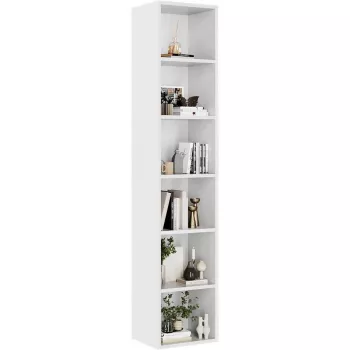
71.5″ Tall Narrow Bookshelf: What It’s Good For
If the goal is “more storage, same room,” a tall narrow shelf is a simple win. It works especially well when you need a home for small items that otherwise spread across tables, counters, and the floor.
- Compact vertical storage for apartments, dorms, and narrow rooms
- A slim display shelf for plants, framed photos, and small decor
- An easy way to create “zones” in an open room (reading corner, work corner, etc.)
- A tidy home for paperbacks, notebooks, and baskets to hide clutter
At-a-Glance
| Item | Details |
|---|---|
| Product | 71.5″ Tall Narrow Bookshelf |
| Price | 73.01 USD |
| Availability | In stock |
| Product page | https://lirielle.com/71-5-tall-narrow-bookshelf/ |
Styling Ideas That Keep It Looking Light (Not Cluttered)
The easiest way to make a narrow bookshelf look intentional is to give each shelf a job: display, hide, or store. A little negative space goes a long way—especially in small rooms.
- Use the “two-thirds rule”: leave some open space so shelves don’t feel packed
- Mix vertical and horizontal stacks: break up repeating lines and create visual variety
- Add baskets on the lower shelves: hide cables, toys, chargers, or office supplies
- Keep heavier items low: improve stability; reserve upper shelves for lighter decor
- Repeat a color/material: matching bins or consistent accents make the unit feel calmer
If you’re planning a room refresh and want to keep spending organized, a simple budget plan can help you prioritize what actually improves daily life. A quick resource to consider is Personal Finance Made Easy Ebook – Budgeting, Saving, Investing & Debt Management Guide for Financial Freedom, especially when multiple small upgrades (bins, baskets, lamps, shelves) add up.
Safety, Stability, and Care
Because tall furniture has a higher center of gravity, stability matters. For tip-over prevention guidance, see the U.S. Consumer Product Safety Commission’s resources at CPSC.gov.
Keeping pathways open is also part of a safer home layout. The National Fire Protection Association offers practical home escape planning tips at NFPA.org, including guidance that supports clear, usable routes through smaller rooms.
Simple Setup Tips for Tight Spaces
FAQ
How much weight can a tall narrow bookshelf hold?
Weight capacity depends on the materials, shelf thickness, and how the unit is built, so it’s best to check the manufacturer’s rating. Distribute weight evenly, avoid concentrating heavy items on one shelf, and place heavier items lower for stability.
Should a tall narrow bookshelf be anchored to the wall?
Yes—anchoring is strongly recommended to reduce tip-over risk, especially with kids, pets, or in high-traffic areas. If you can’t hit a stud, use appropriate wall anchors and keep heavier items on the bottom shelves.
Where does a narrow bookshelf look best in a small room?
It typically looks best in corners, beside a desk, next to a sofa, or flanking a TV stand to use space that would otherwise go unused. Keep door swings clear and maintain a comfortable walkway so the room still feels open.















Leave a comment