Solo Travel Safety Made Simple: Plan, Habits & Checklist
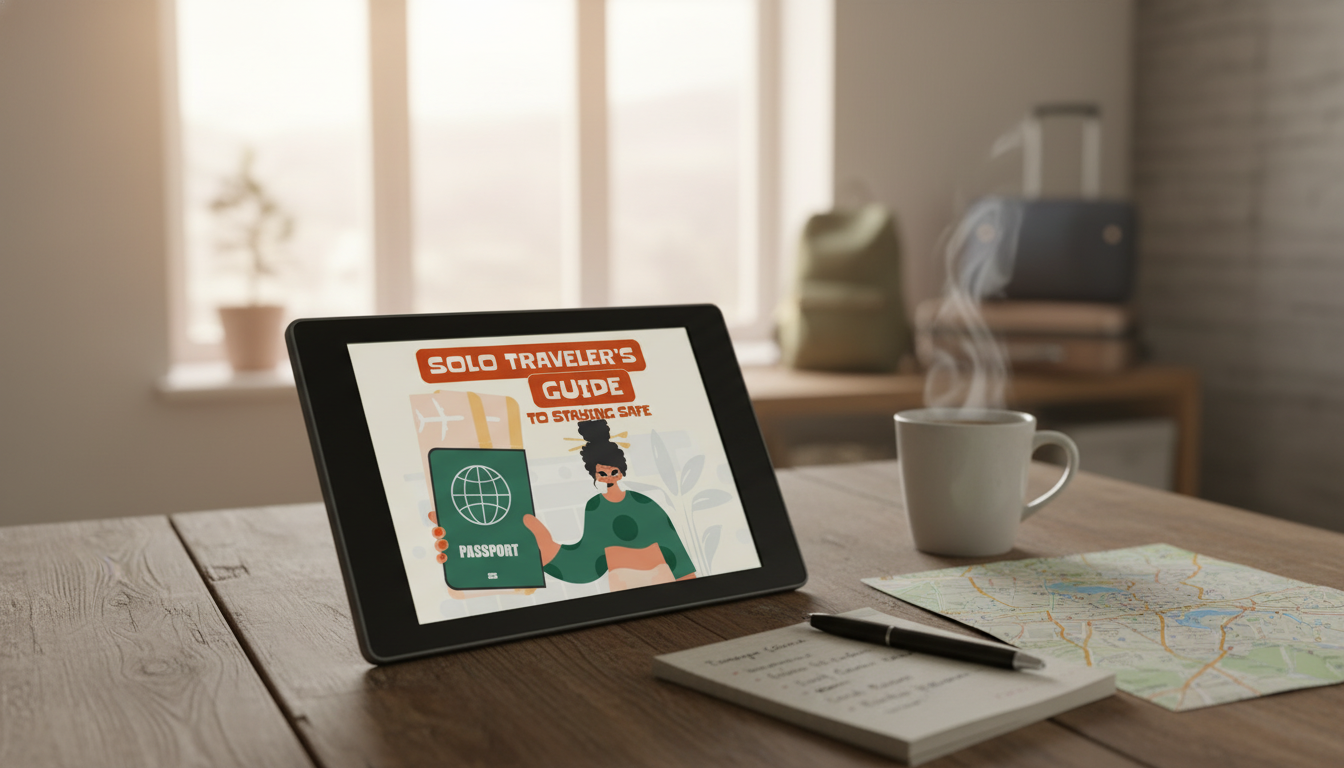
Solo Traveler’s Guide to Staying Safe: Practical Planning, On-the-Go Habits, and a Ready-to-Use Checklist
Solo travel can feel empowering and freeing, especially when safety is treated as a system rather than a last-minute worry. A few solid habits—before departure, during transit, and at the destination—reduce common risks without turning the trip into a stress fest. The steps below focus on realistic prep, everyday situational awareness, and simple contingency plans that help solo travelers move confidently.
Start with a safety baseline: risk, boundaries, and “non-negotiables”
Before maps and bookings, set a personal baseline so decisions are easier when you’re tired, rushed, or in a new environment.
- Define boundaries in advance: which neighborhoods are a no-go, what “late night” means for you, how much alcohol feels safe, and what you’ll do if plans change.
- Match trip style to comfort level: if it’s your first solo trip, consider shorter stays, daytime arrivals, and fewer transfers.
- Set communication expectations: who gets your itinerary, how often you’ll check in, and what phrase triggers a “call me now” response.
- Plan for likely disruptions: missed connections, a lost phone, card fraud, sudden illness, or accommodation issues.
For a printable plan you can keep offline, consider Solo Traveler’s Guide to Staying Safe (digital download), which bundles a structured planning guide with a ready-to-use checklist.
Before booking: build a safer itinerary
Good safety starts by reducing “unknowns,” especially on day one.
- Aim for daylight arrivals: daytime check-ins reduce exposure to unfamiliar areas and make backup options easier.
- Map transfers end-to-end: airport/station to lodging, plus an alternate route and one backup option if the primary fails.
- Choose lodging with basics done well: staffed reception (or clear self-check-in), strong recent reviews, and reliable access to transit.
- Add buffer time: over-tight schedules push rushed decisions (the moment when scammers and mistakes win).
- Research local safety norms: common scams, safe transport practices, and emergency numbers. Start with the U.S. Department of State travel resources and health guidance from CDC Travelers’ Health.
Quick pre-trip planning checklist
| Planning item | What to prepare | Backup plan |
|---|---|---|
| Arrival and first night | Daytime arrival, confirmed check-in steps, address saved offline | Pre-booked taxi/ride option or vetted transit route |
| Money and cards | 2 payment methods, notify bank if needed, small cash stash | Emergency card stored separately; local ATM plan |
| Phone and connectivity | eSIM/SIM plan, roaming check, offline maps | Printed key addresses; emergency contact list on paper |
| Documents | Digital copies secured, passport stored safely, ID separated | Emergency replacement steps; embassy/consulate info |
| Health and insurance | Travel insurance details, prescriptions list, basic kit | Local urgent care locations; insurer contact number |
Core habits on the ground: awareness without anxiety
Safety doesn’t require constant vigilance. It works better as a few repeatable routines.
- Use “pause and scan”: when exiting a station, ride, or venue, stop briefly, check surroundings, confirm direction, then move with purpose.
- Reduce distraction in transitional spaces: if you need your phone, step aside near a wall or storefront instead of walking while navigating.
- Keep valuables low-profile: avoid flashing cash or devices; use a simple carry system that stays close to your body.
- Trust early discomfort: leaving sooner is usually the safest move; don’t wait for “proof” something is off.
- Share less, sooner: avoid revealing your lodging location, solo status, or full itinerary to strangers.
Transit safety: airports, trains, buses, and rides
- Arrive early enough to avoid rushing: time pressure increases distraction and makes you easier to steer into bad decisions.
- Keep essentials on-body: ID, phone, one payment method, and a small amount of cash should stay with you—not in an overhead bin.
- Use verified rides: choose clearly marked official taxis or app-based rides where you can confirm the license plate and driver details.
- Sit strategically: pick well-lit areas near other travelers and easy exits; avoid isolated corners.
- Verify changes immediately: if a driver changes routes, makes unexpected stops, or pressures you to cancel the app ride, switch to a safer option.
For general guidance on travel-related crime trends and prevention, INTERPOL’s overview on travel safety is a useful starting point.
Lodging safety: check-in routines and room setup
Digital safety and privacy while traveling solo
If something goes wrong: a calm, pre-decided response plan
If budgeting for backups (extra transit, emergency lodging, replacement documents) is a weak spot, Personal Finance Made Easy (eBook) can help you build a realistic cushion so “Plan B” doesn’t become a crisis.
A printable checklist and planning guide for solo travelers
If you want everything in one place (planning prompts, routines, and a printable checklist), download Solo Traveler’s Guide to Staying Safe and keep it available even without connectivity.
FAQ
What are the most important solo travel safety basics to prepare before leaving?
Share your itinerary and set check-in expectations, confirm your arrival and transfer plan, and pack redundancies for money and documents (separate cards, copies, and emergency contacts). Save local emergency numbers and make sure your phone is secured with offline access to key addresses and info.
How can a solo traveler stay safe without feeling anxious all day?
Use simple routines like pause-and-scan, purposeful walking, and stepping aside to check your phone instead of navigating while moving. When you already have a basic backup plan, you don’t have to “problem-solve” under pressure, which keeps anxiety lower.
What should be in a solo travel safety checklist?
Include pre-trip items (insurance, copies, money plan), transit habits (on-body essentials and verified rides), lodging steps (room scan and exit plan), digital security (locks, backups, and privacy), and quick actions for lost phone/cards, harassment, or medical needs.















Leave a comment