Hydraulic Gimbal Ball Head: Smooth Tracking, No Lens Droop

Why a Hydraulic Gimbal Ball Head Changes the Feel of Shooting
When a long lens or front-heavy camera rig shifts weight forward, a standard ball head can feel like it’s either too loose to trust or too tight to move smoothly. A professional hydraulic gimbal tripod ball head is designed to keep your setup balanced while adding controlled resistance, so pans and tilts start cleanly, track steadily, and stop without a jolting “snap.” That difference shows up immediately when following birds in flight, athletes running a line, or vehicles moving through a frame. For more guidance, see Best Tripods & Monopods Reviews and… – Revain.
For photographers who switch between locked-off compositions and fast tracking, the combination of gimbal-style balance, ball-head flexibility, a quick release, and a handle can make tripod work feel faster and safer—especially in cold weather or crowded environments where fumbling with knobs isn’t ideal. For further reading, see How to learn about ball heads from Gitzo, Manfrotto, Arca-Swiss ….
What a Hydraulic Gimbal Ball Head Does (and When It Matters)
A hydraulic gimbal ball head blends two strengths: gimbal-style support for long lenses and ball-head style positioning for quicker angle changes. The “hydraulic” feel refers to damping—smooth, consistent resistance that helps control movement rather than relying on uneven friction.
- Balanced support for long lenses: Better weight distribution helps reduce the tendency to tip forward when you loosen the head.
- Smoother starts and stops: Damping helps reduce the little stutters that can happen when tracking motion and beginning a pan.
- Fewer micro-jerks: Consistent resistance can minimize tiny jumps caused by sudden lock/unlock changes or sticky friction points.
- Less creeping under load: With heavier lenses, a basic head may slowly sag after you frame the shot—balanced support and secure locking help prevent that.
This style of head tends to matter most when your camera+lens combination is heavy enough that “small” movements become visible in your viewfinder, or when your subject’s motion requires steady, repeatable tracking.
Quick Release + Handle: Faster, Safer Adjustments
A quick release system is more than convenience—it can be a workflow upgrade that reduces handling mistakes. Instead of re-threading a screw every time you mount the camera, you clamp a plate into place, check engagement, and you’re ready to shoot.
- Quick release plate system: Speeds up mounting/removal for quick transitions between handheld and tripod shooting.
- Handle control: Adds leverage for controlled panning and tilting, which can feel more precise than pushing directly on the lens or camera body.
- Separate tension vs. full lock: The most usable designs let you set a “movement feel” (tension) and still have a true lock for static shots.
- Practical wins: Easier framing with gloves, smoother subject tracking, and less risk when repositioning in tight spaces.
If your shooting includes quick subject changes (sidelines, wildlife bursts, event candids), the handle-and-clamp combination helps you move fast without making the setup feel precarious.
Key Specs to Check Before Buying
Specs don’t tell the whole story, but they prevent mismatches—like pairing a heavy telephoto with a head that’s rated too close to the edge. Prioritize real stability and consistent resistance over gimmicky “extra tight” locking claims.
Quick Checklist for Matching a Head to Your Setup
| Use case | Recommended features | What to avoid |
|---|---|---|
| Wildlife with long lens | Strong damping, stable balance point adjustment, secure quick release | Creeping under load, jerky starts, loose knobs |
| Sports sideline | Fast handle control, smooth pan base, quick transitions | Overly stiff movement that fights tracking |
| Landscape / travel | Compact size, reliable locks, easy leveling/panning | Bulky designs that slow setup |
| Video-style pans (light rigs) | Consistent resistance, clear pan markings | Sticky movement or uneven friction |
Setup Tips for Smooth Tracking and Secure Locking
For additional background on choosing the right head style for your shooting, B&H offers a helpful overview: B&H Explora: How to Choose a Tripod Head.
Care, Maintenance, and Longevity
General camera and lens care guidance is also worth revisiting before harsh-weather shoots: Canon: Camera and Lens Handling and Care and Nikon: Caring for Your Camera and Lenses.
Product Options Available Now
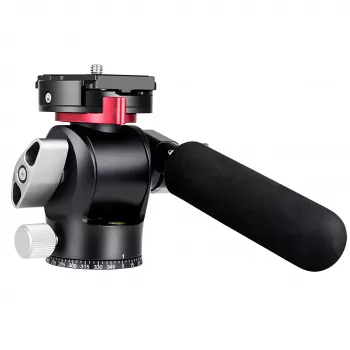
- Professional Hydraulic Gimbal Tripod Ball Head with Quick Release & Handle ($71.51): Designed for controlled movement and quick mounting, suited for smoother tracking and confident locking with heavier setups. Best paired with a sturdy tripod (a stable center column or no center column helps reduce wobble).
- Women’s Long-Sleeve Yoga Jacket & High-Stretch Fitness Set ($45.67): A comfortable, flexible layer for early-morning wildlife or outdoor event shoots where you’re constantly repositioning and need freedom of movement.
- Personal Finance Made Easy Ebook – Budgeting, Saving, Investing & Debt Management Guide for Financial Freedom ($20.99): Helpful for planning bigger gear upgrades over time—especially if you’re building toward a more capable tripod, head, and lens setup.
FAQ
Will a hydraulic gimbal ball head work with a standard tripod?
Usually yes, as long as the tripod’s mounting thread matches the head’s base and the tripod is stable enough for the total load. Check both compatibility (thread/plate standard) and load rating so the tripod doesn’t flex or vibrate under a heavy lens.
How do the quick release clamp and plate improve safety?
A secure clamp-and-plate system reduces handling time and helps prevent slips caused by partially threaded screws. Safety improves when the clamp fully engages, anti-twist contact is solid, and the clamp and plate surfaces are kept clean and grit-free.
What’s the best way to reduce lens droop when tilting down?
Balance the rig by sliding the plate so the lens doesn’t pull forward, then increase damping/tension until the tilt holds position without dropping. For a fully static frame, engage the full lock rather than relying on tension alone.















Leave a comment