Gold-Plated Dual-Cavity IEMs: Dynamic Driver + Copper
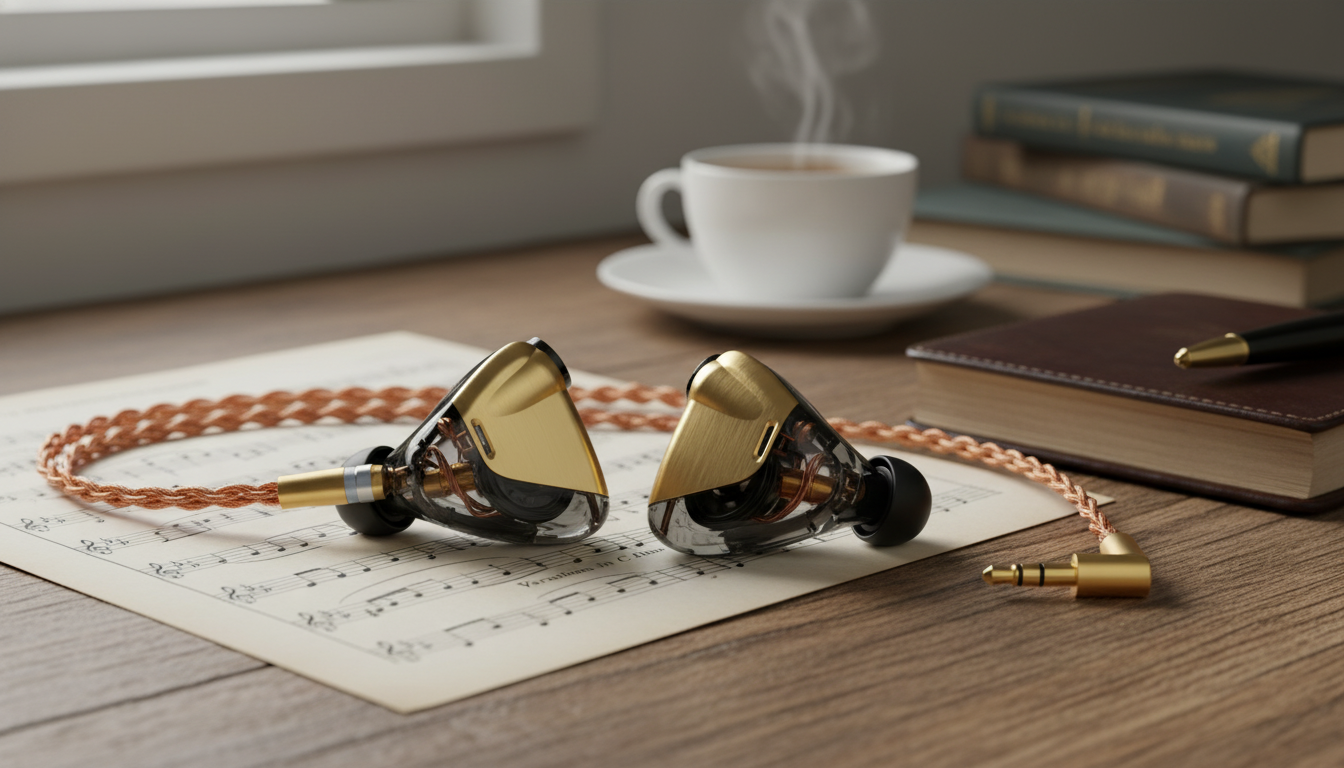
Gold-Plated Dual-Cavity HiFi IEMs with Dynamic Drivers and Copper Cable
Gold-plated dual-cavity in-ear monitors pair dynamic drivers with an upgraded acoustic chamber design and a copper cable aimed at clean signal transfer. The dual-cavity build is designed to guide airflow and manage resonance inside the shell, while the dynamic driver focuses on natural punch and cohesive tone. Below is a practical breakdown of what that construction can do, what to expect in everyday listening, and how simple fit tweaks—especially ear tips—often unlock the best sound. For more guidance, see LETSHUOER D02 – Reviews – Head-Fi.
What makes a dual-cavity IEM different
Dual-cavity IEM housings use two internal spaces rather than one shared chamber. The goal is to control how air moves behind and around the driver, shaping resonance and reducing “one-note” bass effects that can mask detail. For further reading, see Admire Acoustic Nova Review: Holographic Magician – About Audio.
- Separate internal chambers can manage airflow and resonance, often improving perceived clarity and bass control.
- A well-tuned chamber can reduce unwanted mid-bass bloom while keeping sub-bass extension intact.
- The additional internal structure may help keep the driver stable at higher volumes, depending on venting and tuning choices.
If you’re curious about the broader category, the Wikipedia overview of in-ear monitors (IEMs) offers helpful context on how IEMs differ from typical earbuds.
Dynamic drivers: what to expect in real listening
Dynamic drivers are popular because they tend to sound “continuous” and realistic, especially in bass and lower mids. With good tuning and a solid seal, they can make kick drums, bass guitar, and cinematic low-end feel weighty without sounding disconnected from the rest of the mix.
- Natural low-end weight and cohesive timbre can make drums, bass guitar, and film scores feel more lifelike.
- Perceived detail is heavily affected by tuning, but tip seal and insertion depth can also dramatically change bass and treble.
- If the IEM is vented, isolation may be a bit lower than fully sealed designs, but long-session comfort can improve due to reduced pressure.
For a straightforward guide to fit, sensitivity, and how your source device matters, Crutchfield’s headphones buying advice is a solid reference.
Gold-plated finish and shell design
A gold-plated exterior is mainly about appearance and surface durability rather than a guaranteed change in sound. Over time, plating can help resist tarnish and minor surface wear from pockets, bags, or desk use.
- Plating is primarily an aesthetics and wear-resistance choice; it can help reduce visible oxidation and light scuffs.
- Shell shape and nozzle angle often matter more than shell weight for comfort; a stable fit reduces micro-movements that can blur bass response.
- Over-ear cable routing can reduce tugging and minimize cable noise for commuting, desk work, or stage-style wear.
Copper cable: handling, sound, and practicality
Copper cables are valued for flexibility and reliable conductivity. In daily use, most listeners notice handling improvements more than a dramatic tonal shift—less stiffness, fewer tangles, and a more comfortable drape around the ear.
- Day-to-day gains are often comfort and durability rather than a major change in frequency response.
- Lower cable noise can come from a softer cable jacket and smart routing; a chin slider (when included) helps reduce rubbing.
- Connector quality matters more than plating: keep plugs clean, avoid sharp bends near strain reliefs, and unplug by the connector housing—not the wire.
Fit and seal: the fastest way to improve sound
If bass sounds thin or vocals feel overly sharp, the quickest fix is usually tip selection. A consistent seal affects low-end extension, imaging stability, and perceived detail more than many “upgrade” accessories.
- Start with the largest tip that stays comfortable; a secure seal typically increases sub-bass and steadies imaging.
- If treble feels sharp, try a slightly deeper insertion or a narrower-bore tip; if bass feels weak, go up one tip size.
- For long sessions, take short breaks and avoid over-tight insertion that can cause pressure fatigue.
Everyday use: phone, dongle DAC, or desktop gear
Many modern phones (with adapters), laptops, and handheld devices can power IEMs to satisfying levels. Still, a compact dongle DAC/amp can improve headroom and reduce background noise on some outputs—especially if you listen quietly or use very sensitive earphones.
Care, cleaning, and long-term performance
Key specs at a glance
| Item | Details |
|---|---|
| Model | Gold-Plated Dual-Cavity HiFi IEMs with Dynamic Drivers and Copper Cable |
| Driver type | Dynamic driver |
| Acoustic design | Dual-cavity housing (tuned internal chambers) |
| Cable | Copper cable |
| Finish | Gold-plated exterior (aesthetic and wear resistance) |
| Availability | In stock |
| Price | 61.51 USD |
Who these IEMs suit
Where to buy and what to confirm before ordering
The Gold-Plated Dual-Cavity HiFi IEMs with Dynamic Drivers and Copper Cable are available now. Before checkout, verify the plug type you need (commonly 3.5 mm) and whether the cable is detachable if you plan to swap cables or use balanced outputs.
- Women’s Long-Sleeve Yoga Jacket & High-Stretch Fitness Set
- Personal Finance Made Easy Ebook – Budgeting, Saving, Investing & Debt Management Guide for Financial Freedom
FAQ
Do dual-cavity IEMs change bass compared with regular designs?
They can. By separating internal chambers, designers can shape resonance and airflow to reduce mid-bass “boom” while keeping sub-bass extension, though the final result depends on the specific tuning and venting.
Does a copper cable noticeably change sound quality?
Major tonal changes are uncommon. Copper cable benefits are typically practical—flexibility, durability, reduced handling noise, and reliable connections—rather than a dramatic shift in frequency response.
How can weak bass be fixed on in-ear monitors?
Start with fit: try a larger tip size, ensure deeper/steady insertion, and confirm the left/right shells are seated correctly. Also check for clogged nozzle mesh and replace worn tips that may be leaking air.















Leave a comment