Cordless Robot Pool Cleaner: Smart Nav + 5000mAh Guide
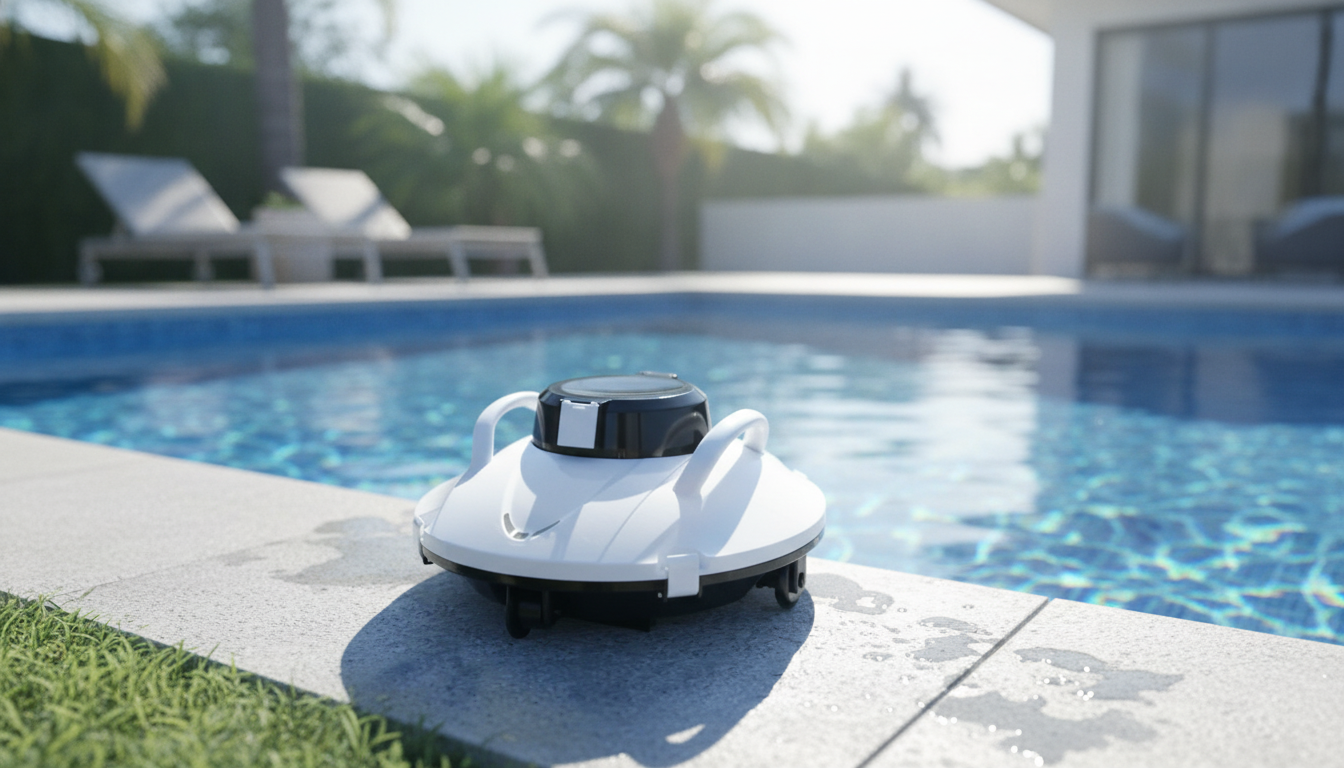
Meet the Grab-and-Go Way to Keep Your Pool Floor Clean
A cordless robot pool cleaner can reduce daily skimming and vacuuming by handling routine debris pickup on its own. This guide breaks down what smart navigation and a 5000mAh battery mean for real-world cleaning, how to set the unit up for consistent results, and what to expect for maintenance, run time, and long-term care.
Recommended Picks Available Now
For a simple, low-hassle cleaning routine, the Efficient Cordless Robot Pool Cleaner with Smart Navigation and 5000mAh Battery is a practical fit for everyday debris and regular maintenance cycles.
If pool ownership is also nudging you to get organized with seasonal costs (chemicals, accessories, and upkeep), the Personal Finance Made Easy Ebook – Budgeting, Saving, Investing & Debt Management Guide for Financial Freedom can help structure a straightforward household plan for ongoing expenses.
What Cordless Cleaning Changes (and What It Doesn’t)
Going cordless removes one of the most annoying parts of robotic pool cleaning: managing a long power cord across the deck and through the water. Without a tether, setup tends to feel more “drop it in and go,” and storage is usually simpler because there’s no cable to coil, untwist, or keep out of the sun.
That said, cordless automation is still routine cleaning—not a magic fix for every pool problem. If the water is out of balance, algae is blooming, or the surface has stubborn staining, the solution still starts with chemistry and circulation. Authoritative guidance on safe pool operation and maintenance is available from the CDC Healthy Swimming program, and for chemical basics, the U.S. EPA has a clear overview.
The best day-to-day results usually come from combining:
- Balanced water (so debris doesn’t turn into sticky film)
- Regular filtration/backwashing schedules
- Robotic runs that prevent buildup—especially during pollen season or after storms
In practice, a cordless robot can significantly cut down the frequency of manual vacuuming, particularly during high-debris weeks when leaves, grit, and small organics accumulate faster than usual.
Smart Navigation: How Coverage Becomes More Consistent
Many older or entry-level pool robots move in highly random patterns. They eventually cover much of the pool, but they also waste time repeating the same lanes or getting stuck in a “busy loop.” Smart navigation is designed to reduce those missed patches by using sensors and path-planning behavior that prioritizes new coverage.
What that means in real use:
- Fewer obvious “skipped zones” compared with purely random travel, especially on open stretches of floor.
- Less repetitive overlap, so a larger share of the cycle is spent cleaning new space instead of revisiting already-clean lanes.
- More intentional turning and wall approaches, which can improve pickup near edges where fine debris tends to settle.
A quick way to judge whether navigation is helping is to watch the first few minutes of operation. Predictable, purposeful route behavior often correlates with more even coverage over the full run.
5000mAh Battery: What Run Time and Charging Mean in Practice
Battery capacity influences how long a cleaner can maintain effective suction and steady movement before it stops or needs retrieval. A 5000mAh battery is typically aimed at supporting longer sessions per charge, which helps if the pool sees frequent debris or if you prefer fewer weekly runs.
Why actual run time varies
Real-world run time is rarely a single fixed number because load changes from day to day. Common factors that shorten a cycle include:
- Heavier debris volume (more leaves and grit means more resistance and faster filter loading)
- High-friction surfaces or rougher pool finishes that demand more drive power
- Cold water, which can reduce battery efficiency compared with warmer conditions
Charging habits that help longevity
- Let the unit cool and dry before charging.
- Avoid storing the cleaner fully discharged for long periods.
- Keep charging contacts and seals clean and dry to reduce wear.
Quick feature-to-benefit checklist
| Feature | What it helps with | What to watch for |
|---|---|---|
| Cordless design | Fast setup and safer deck area | Charge planning and battery care |
| Smart navigation | More even floor coverage | Obstacles/toys can disrupt paths |
| 5000mAh battery | Longer cleaning sessions per charge | Run time varies by debris and surface |
| Sealed debris compartment/filter | Captures leaves, grit, and fine particles | Rinse after each use to keep flow strong |
Setup and First Run: A Practical Checklist
A strong first run prevents the most common “it didn’t clean well” frustrations. Spend two minutes preparing the pool and five minutes observing the robot, and you’ll usually avoid repeat issues later.
Cleaning Performance Expectations by Debris Type
Routine Maintenance for Reliable Suction
Troubleshooting Common Issues
Who This Cleaner Fits Best
FAQ
How long does a 5000mAh cordless pool cleaner typically run on one charge?
Run time depends on motor load, debris amount, pool surface friction, and water temperature, but many owners can expect roughly 60–120 minutes in typical conditions. Keeping the filter rinsed helps maintain efficiency and prevents the unit from working harder than it needs to.
Do smart navigation pool cleaners work in irregular-shaped pools?
Yes, they can handle curves and many irregular layouts, though coverage is usually better when the pool is free of clutter and the cleaner can complete full cycles without getting redirected. For complex shapes, running an extra cycle can improve overall consistency.
What maintenance is needed after each cleaning cycle?
Remove the cleaner, let it drain, empty the debris compartment, rinse the filter thoroughly, and check the intake for hair or leaves; then allow it to dry before charging. This routine preserves suction performance and supports better long-term battery health.













Leave a comment