1:16 Remote Control Truck Guide: Power, Runtime, Durability
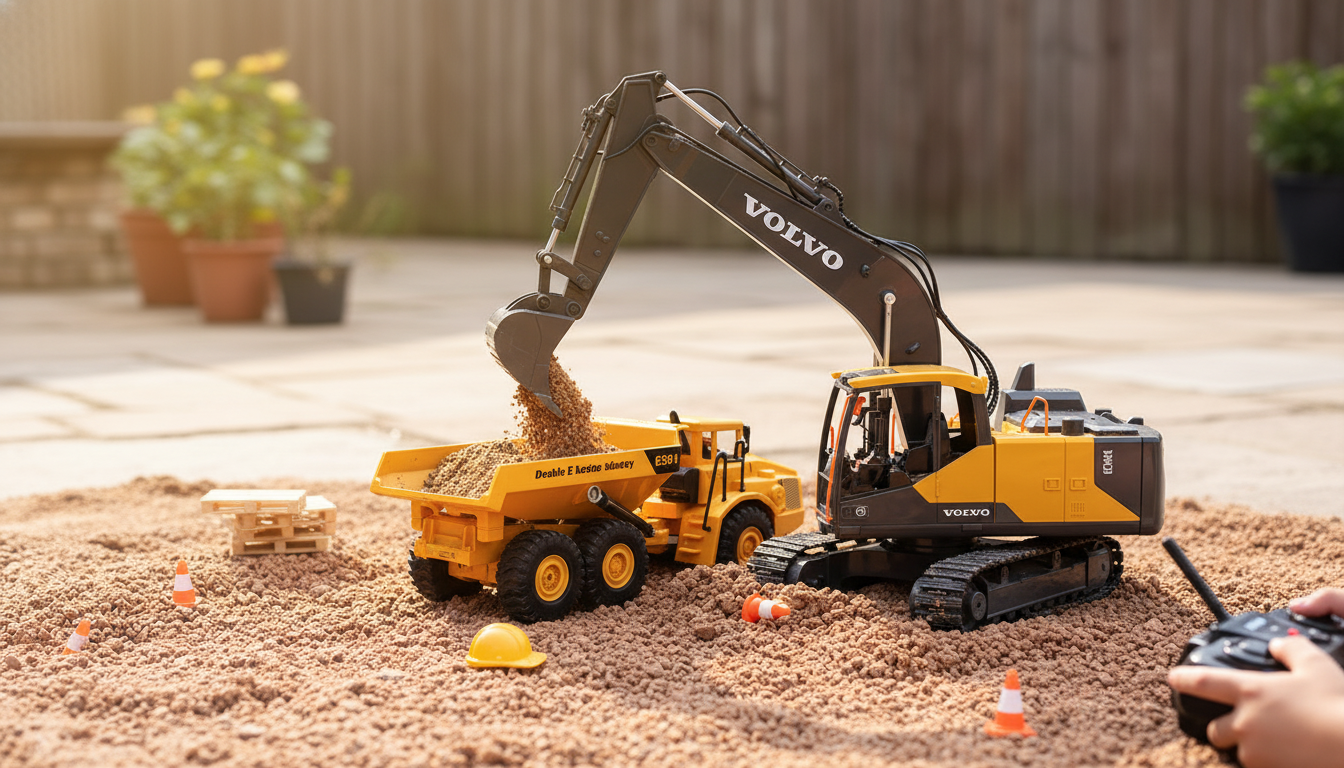
1:16 Remote Control Truck: Big Fun in a Compact Scale
A 1:16 remote control truck hits a sweet spot: large enough to feel powerful and stable, compact enough to run in driveways, parks, and indoor play areas. This scale delivers that “real truck” vibe without needing a huge storage shelf or a wide-open field. Below is a practical guide to what makes 1:16 so enjoyable, what to watch for in everyday use, and how to get the most out of a truck like the 1:16 Remote Control Truck available now.
Why 1:16 Scale Works So Well
The best RC scale is the one that fits real life—where you’ll drive it, how often you’ll bring it along, and who’s holding the controller. For many households, 1:16 is the “grab-and-go” size that still feels substantial.
- Easy to store and transport while still feeling substantial in-hand.
- More stable than tiny micro trucks when crossing seams in pavement, short grass, and small gravel.
- Great for mixed environments: living room courses, sidewalks, and backyard paths.
- Parts and accessories for popular RC scales are often easier to find than for niche sizes.
If you like setting up quick obstacle courses with cones, chalk lines, or cardboard ramps, 1:16 is large enough to handle little imperfections while still being small enough to run safely in tighter spaces.
Quick Specs Snapshot
Use the checklist below to compare what matters most before buying: scale, power type, runtime expectations, and where the truck will be driven most often. A higher price doesn’t always mean better for a specific use; matching features to the driving surface matters more.
Remote Control Truck Comparison Checklist
| What to Check | Why It Matters | What to Look For |
|---|---|---|
| Scale (1:16) | Affects stability, obstacle-clearing, and portability | Balanced size for indoor/outdoor play |
| Drive system | Controls traction and climbing ability | Strong grip and consistent power delivery |
| Battery & charging | Determines how often play stops for charging | Clear charging method, safe handling guidance |
| Controller feel | Improves precision and reduces frustration | Comfortable grip, responsive steering |
| Build durability | Reduces downtime and breakage from bumps/rolls | Sturdy body, protected components |
| Terrain match | Prevents overheating or wheel spin | Tires suited to pavement, dirt, or short grass |
Performance That Feels Real
Acceleration and steering response are the “fun factor” for most drivers—especially for kids and first-time RC users. A solid 1:16 truck should feel predictable: it should launch forward cleanly, track straight on flat ground, and remain controllable when you turn at speed.
- A good truck should hold a line on flat ground and remain controllable when turning at speed.
- For backyard use, traction matters more than top speed; tire grip and weight balance help keep the truck planted.
- Consider where it will be used most: pavement rewards smooth steering, while dirt and grass reward torque and tread.
A simple way to gauge “real” handling is to set up a quick slalom (water bottles or small cones) and run the same route a few times. If the truck feels twitchy, slower turns and smoother throttle make it easier to keep the tires hooked up.
Durability for Everyday Play
Everyday RC fun includes everyday impacts. Curb edges, table legs, tree roots, and small rocks are common contact points—especially when drivers are learning distance control and braking timing.
- Look for a body that can absorb light impacts and a chassis layout that protects sensitive components.
- Clear debris from axles and wheels after runs; packed grass and hair can add drag and heat.
- Keep electronics dry and avoid running through deep puddles or wet, muddy patches.
- For younger drivers, setting boundaries (no stairs, no water, no steep drops) prevents the most common breakages.
Battery care is part of durability, too. Using the correct charging method and supervising charging helps reduce problems. For general consumer guidance, review battery charging and safety information from the Federal Trade Commission (FTC) and battery safety resources from UL Standards and Engagement.
Getting More Runtime and Better Control
A Great Option to Consider
The 1:16 Remote Control Truck is a strong pick for anyone who wants a compact scale with a “real truck” feel and easy day-to-day usability. It’s especially well-suited to quick sessions where you want to grab the controller, run a few laps, and pack it away without a big production.
For a practical add-on that supports the hobby long-term, keeping a simple budget for accessories, batteries, or replacement parts can help. If that’s useful, the Personal Finance Made Easy Ebook – Budgeting, Saving, Investing & Debt Management Guide for Financial Freedom is an easy reference for organizing spending without overcomplicating it.
If cooler-weather driveway sessions are on the agenda, a comfortable layer can make longer play sessions more enjoyable—consider the Women’s Long-Sleeve Yoga Jacket & High-Stretch Fitness Set for warm, flexible movement while you walk alongside your truck and set up courses.
FAQ
Is a 1:16 remote control truck good for beginners?
Yes. A 1:16 truck balances stability and portability, which generally makes it easier to handle than very small RC vehicles. Start on forgiving surfaces like pavement or short grass, and supervise younger drivers until they’re comfortable with steering and braking.
Can a remote control truck drive on grass and gravel?
Short grass and small gravel are typically fine, especially when the tires have enough tread for grip. Thick grass can reduce speed and shorten runtime, so it’s best to avoid deep, wet, or overly dense terrain for longer sessions.
How can runtime be extended during play?
Use smoother throttle inputs, avoid constant full-power runs in thick grass, and clean wheels/axles so they spin freely. Charge correctly and let the truck cool briefly between longer runs to keep performance consistent.















Leave a comment