
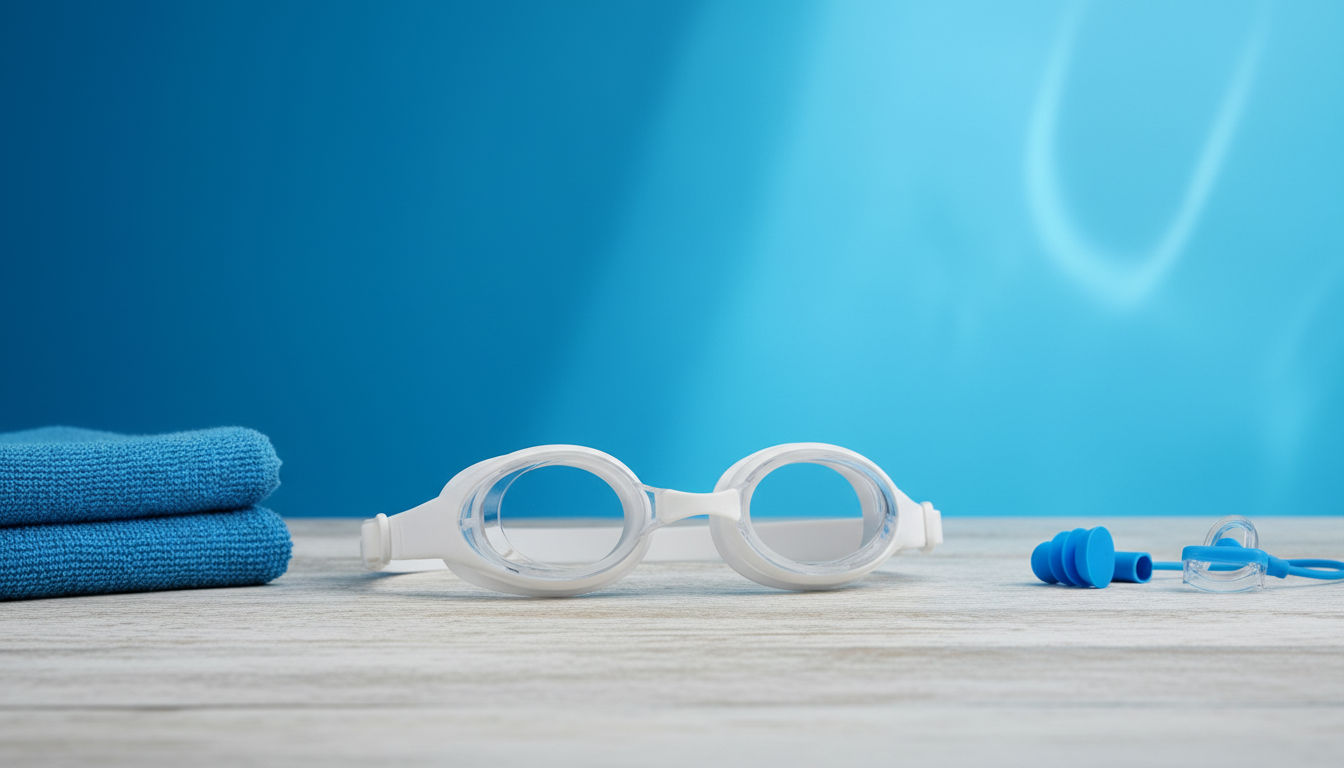
Often, yes—but it depends on your glaucoma type, how controlled your eye pressure is, and how your goggles fit. The main concern is that some swim goggles create a tight seal around the eye socket, which can briefly raise intraocular pressure (IOP) while they’re on. For many people, that temporary change may not cause symptoms, but for someone with glaucoma or elevated eye pressure, it’s worth taking a cautious approach.
Look for goggles with wider, cushioned gaskets that spread pressure over a larger area and don’t need to be cinched tightly to stay in place. Avoid goggles that feel like they “suction” hard onto the eyes.
A common mistake is overtightening to stop water seepage. Instead, aim for a balanced seal: snug but not painful, with no deep marks around the eyes after removal.
If you’re returning to swimming, try shorter sessions and pay attention to any eye ache, headache, halos, unusual blur, or nausea. If symptoms show up, remove the goggles and seek medical guidance.
If you have advanced glaucoma, very high pressures, recent eye surgery, or your doctor has emphasized strict IOP control, get personalized clearance. A clinician can also suggest alternatives (like swim masks that distribute pressure differently) based on your eye history.
For guidance on comfortable, leak-resistant options and fit tips that help you avoid overtightening, see this swim goggles fit and anti-fog guide.
For Swimming Goggles and Glaucoma: Safety Tips for Fit, the best answer depends on fit, material, care instructions, and how the product will be used day to day.
They can, especially if they form a tight seal and press firmly around the eyes. A looser, well-cushioned fit and minimal strap tension may reduce the effect.









Leave a comment