High-Speed Metal Baitcasting Reel: Speed, Control, Durability
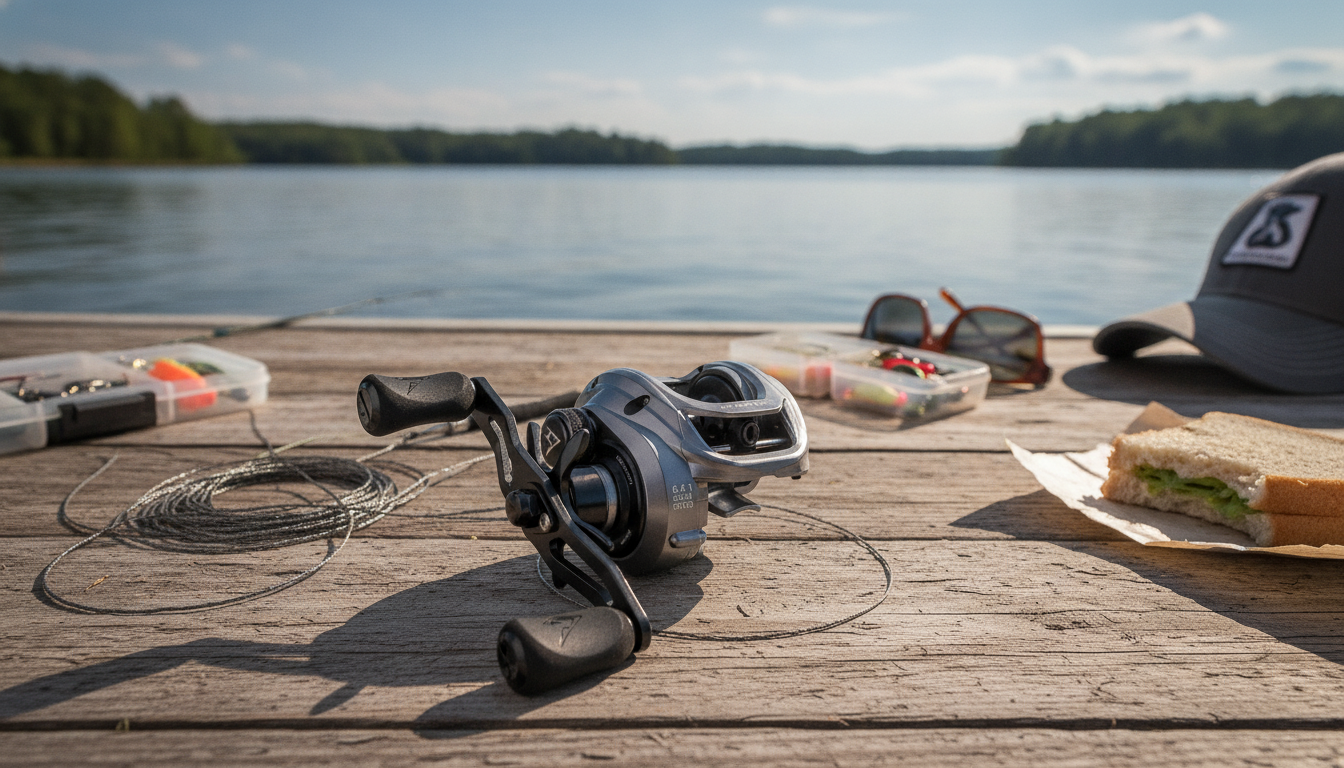
High Speed Metal Baitcasting Reel: Fast Retrieves, Solid Feel, Better Control
A high-speed, metal-frame baitcasting reel is built for quick line pickup and a rigid, confident feel under load—useful for reaction bites, keeping tension on fish, and working lures efficiently. When the bite window is short, faster retrieves help manage slack, reset faster for the next cast, and stay connected when a fish surges toward you. The metal build adds a “locked-in” feel that many anglers prefer when setting hooks hard, fishing heavier cover, or running tighter drag. For more guidance, see 10 Best Fishing Baitcaster Reels for 2026 Every Angler Needs.
What “High Speed” Changes on the Water
High-speed” most often refers to a higher gear ratio (and the line recovered per handle turn). The practical benefit is less time spent taking up slack and more time with the bait working correctly.
- Faster line pickup helps keep up with fish that run toward the angler, reducing slack and missed hooksets.
- More efficient lure management: quickly recover slack after twitches, pops, or rod sweeps.
- Better for techniques that benefit from rapid cadence (burning spinnerbaits, fast topwater, ripping lipless).
- Tradeoff to plan for: higher gear ratios can feel heavier under constant-resistance baits (deep cranks, big swimbaits), so technique pairing matters.
As a rule of thumb, high speed shines when you’re repeatedly creating slack (jerks, pops, hops) or when you want to “catch up” to the bait quickly to keep it in the strike zone. For steady, high-pull retrieves, a slower ratio often feels easier on the wrists and forearms over a full day. For further reading, see 13 Fishing – Reels and Rods.
Why a Metal Frame and Side Plates Matter
Frame rigidity affects how a reel feels when you lean on it—hookset, pulling fish from cover, or grinding a bait through vegetation. A metal frame and side plates can help the reel feel more precise and consistent because the gears stay better aligned under pressure.
- Rigid construction reduces flex during hard hooksets and when fighting fish, helping gears stay aligned.
- Improved durability for frequent casting, heavier lures, and tight drag settings.
- More consistent feel over time when compared with softer materials that can show wear sooner.
- Weight balance matters: metal can add heft—pair with a rod that keeps the combo comfortable for long sessions.
That last point is important: a slightly heavier reel can feel fantastic on a well-balanced rod, but tip-heavy combos can wear you out. If possible, match a metal reel with a rod handle length and blank weight that “settles” naturally in your hand.
Quick Comparison: Technique Fit Checklist
Use this quick guide to decide when a high-speed metal baitcaster is a strong match—and what to prioritize so it performs the way you want.
| Technique | Why high speed helps | What to prioritize | Line pairing (common picks) |
|---|---|---|---|
| Spinnerbait / Chatterbait | Recover quickly after directional changes | Comfortable handle, smooth drag | 30–50 lb braid or 12–17 lb fluorocarbon |
| Topwater (walking / popping) | Instant slack pickup after twitches | Light spool control, consistent braking | 30–50 lb braid or 12–15 lb mono |
| Lipless crank (ripping) | Rapid cadence and quick re-cast | Rigid frame, stable retrieve | 30–40 lb braid or 12–17 lb fluorocarbon |
| Jigs / Texas rigs | Fast take-up for hookset timing | Fine braking control, strong drag | 30–50 lb braid or 12–20 lb fluorocarbon |
| Deep crank / high resistance baits | Less critical; can feel “geary” | Torque-focused retrieve, comfortable grip | 10–12 lb fluorocarbon |
Casting Control: Brakes, Spool Tension, and Backlash Prevention
High retrieve speed doesn’t have to mean “hard to cast.” Most casting problems come from a mismatch between your braking/tension settings and the lure’s weight, plus insufficient thumb control at the end of the cast.
A reliable baseline is to increase braking for headwinds, skipping, and compact baits that “catch air,” then back it off gradually as your timing gets cleaner. If you’re new to baitcasters, the fundamentals from Take Me Fishing’s gear basics can help you dial in a system approach.
Drag, Handle, and Gear Feel Under Load
Line Choice and Spooling Tips for High-Speed Reels
Featured Option: High Speed Metal Baitcasting Reel
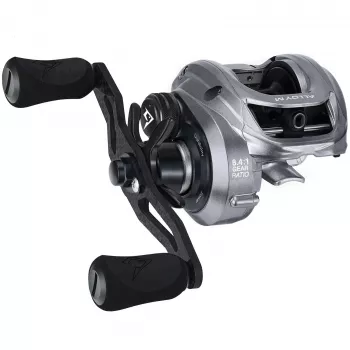
If you want quick pickup with a solid, durable feel, the High Speed Metal Baitcasting Reel is built around the strengths that matter for reaction baits and efficient slack management. It’s a practical choice for anglers who cast often, work fast cadences, and want a reel body that stays confident when the fight gets heavy.
Also in stock: If you’re putting together a gift bundle, the Luxury Astronaut Resin Sculpture with Sound and Light is a display-style option that pairs well with hobby rooms and offices.
Care and Maintenance for Long-Term Smoothness
FAQ
Is a high-speed baitcasting reel harder to control when casting?
No—retrieve speed doesn’t automatically cause backlash. Casting control mainly comes from brake settings, spool tension, matching the reel to the lure weight, and using your thumb to feather the spool near splashdown.
When is a high-speed reel the wrong choice?
It can be a poor fit for deep-diving crankbaits or other constant-resistance retrieves where a lower gear ratio feels easier and less fatiguing. If you’re pulling hard all day, more torque-oriented gearing often stays more comfortable.
Does a metal frame make a reel better for heavy cover?
Yes, rigidity helps reduce flex and keeps gears aligned when you set the hook hard or pull fish out of thick cover. To fully benefit, pair it with the right rod power and line, and set the drag to move fish without breaking off.













Leave a comment