Open-Back Planar Wired Headphones for Mixing & Home HiFi
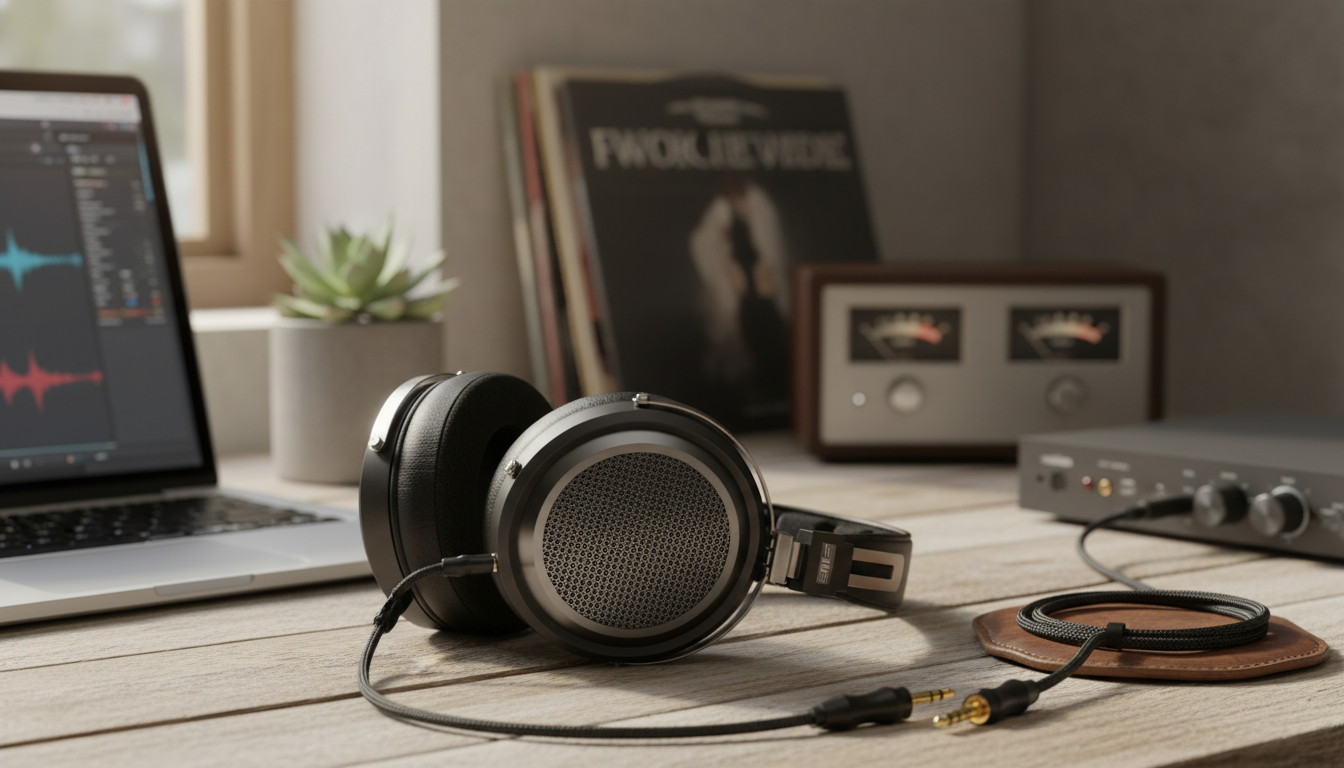
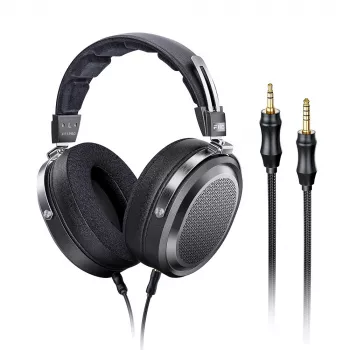
Open-Back Planar Magnetic Wired HiFi Headphones for Studio & Home Use
Open-back planar magnetic headphones are built for spacious imaging, fast transients, and low distortion—traits that translate well from critical studio work to immersive home listening. The right pair can make it easier to judge panning, ambience, and fine mix details while still feeling natural and “speaker-like” when you’re off the clock. Below is a practical guide to what actually changes in day-to-day use, what to prioritize for studio decisions, and how to pair and set up an open-back planar wired model for reliable results. For more guidance, see HIFIMan Ananda BT Review – Identity Crisis • Music For The Masses.
What open-back planar magnetic design changes in real use
Planar magnetic drivers are known for quick attack and controlled decay, which can help uncover details that get blurred on slower transducers. That often means clearer reverb tails, more obvious micro-dynamics, and easier detection of small compression artifacts that sneak into busy sessions. For further reading, see Hands-on review: Audeze LCD-1 reference headphones.
Open-back earcups vent sound outward, which typically produces a wider stage and more natural placement of instruments and effects. For mix work, that spatial “readability” can help when deciding how far a synth pad should extend or whether a room mic is pushing the image too wide.
There’s a tradeoff: open-backs leak sound and offer minimal isolation. They’re at their best in quiet rooms, not in shared spaces, noisy apartments, or tracking situations with open microphones nearby.
Finally, wired listening avoids Bluetooth compression and latency. For editing, timing-critical automation, and transient judgment, that direct connection keeps monitoring consistent and predictable.
Who they suit best (and when to pick something else)
Open-back planars tend to shine for mixing decisions involving stereo placement, depth, and ambience. They also work well for mastering checks—especially for catching low-level distortion, clipping, and congestion that can hide behind less resolving headphones.
They’re less ideal for vocal tracking (leakage into the mic), commuting, or any environment where isolation matters. If the room is noisy, a closed-back alternative will usually lead to faster, more confident decisions because you’re not fighting external sound.
For long sessions, comfort and treble balance matter as much as “detail.” A highly revealing headphone with an aggressive upper-mid/treble can cause fatigue and push mixes darker than intended. Smooth clarity tends to translate better than sharpness.
Sound priorities for studio work
Midrange honesty
Midrange is where mix translation often succeeds or fails. Vocals, guitars, keys, and snare tone should feel present and well-defined without sounding “shouty” or hollow. If the midrange feels exaggerated, it’s easy to under-mix vocals; if it’s recessed, it’s easy to overcompensate and end up with harshness on other systems.
Bass control (definition over hype)
Treble behavior
Look for treble detail without edge. Too much energy can lead to overly tame highs in your final mix; too little can hide sibilance, hiss, and brittle distortion until it’s too late. Measurement education can help interpret what you’re hearing—RTINGS has a clear primer on how to read headphone measurements.
Imaging, depth, and low-volume consistency
Open-back planars often make it easier to place elements across the stereo field and judge subtle widening effects. Another underrated trait is staying informative at low volume—useful for long edits and late-night sessions where fatigue (and hearing safety) becomes a factor. For general guidance on safe listening habits, the CDC/NIOSH overview on noise exposure and hearing protection is a helpful reference.
Comfort, build, and daily practicality
Amplification and source pairing (getting the best dynamics and control)
Quick checklist for pairing and setup
| Item to check | Why it matters | What to aim for |
|---|---|---|
| Listening environment | Open-back leakage and lack of isolation affect usability | Quiet room for mixing and focused listening |
| Amp/headphone output quality | Controls dynamics, bass authority, and clarity | Clean gain, low noise, comfortable volume with headroom |
| Fit and seal consistency | Pad position changes frequency balance | Even contact around ears; stable positioning |
| Cable routing | Reduces strain and desk noise | Secure connection, low microphonics, manageable length |
| Reference workflow | Improves mix translation and decision-making | Level-match comparisons; take breaks to avoid fatigue |
Dialing in for mixing and editing
For home listening: getting an immersive, speaker-like presentation
For a deeper overview of how planar magnetic drivers differ from dynamic designs, SoundGuys offers a solid explainer on planar magnetic vs. dynamic headphone drivers.
Product options in stock
- Open-Back Planar Magnetic Wired HiFi Headphones for Studio & Home Use – A dual-purpose open-back planar option designed for critical detail and a spacious presentation.
- Women’s Long-Sleeve Yoga Jacket & High-Stretch Fitness Set – A comfortable layer that can make long desk sessions and late-night listening more cozy.
- Personal Finance Made Easy Ebook – Budgeting, Saving, Investing & Debt Management Guide for Financial Freedom – A practical resource for planning upgrades like an interface, amp, or other studio essentials.
Care and longevity
FAQ
Are open-back planar magnetic headphones good for mixing?
Yes—open-back planars are often excellent for mixing because they make imaging, depth, and transient detail easy to judge. The main limitations are sound leakage and minimal isolation, so it’s smart to cross-check on speakers or closed-backs when the room is noisy or when you need to confirm low-end impact.
Do planar magnetic headphones need an amplifier?
Not always, but many benefit from a clean amp or strong interface headphone output with enough headroom. Better amplification can improve bass control and dynamics while reducing distortion on loud peaks.
Can open-back headphones be used for recording vocals?
They can, but it’s usually a poor choice because the headphone mix can leak into the microphone. Closed-back headphones are typically preferred for tracking, while open-backs are better saved for editing, mixing, and listening.















Leave a comment