30cm Nonstick Stainless Pan: Gas & Induction Ready
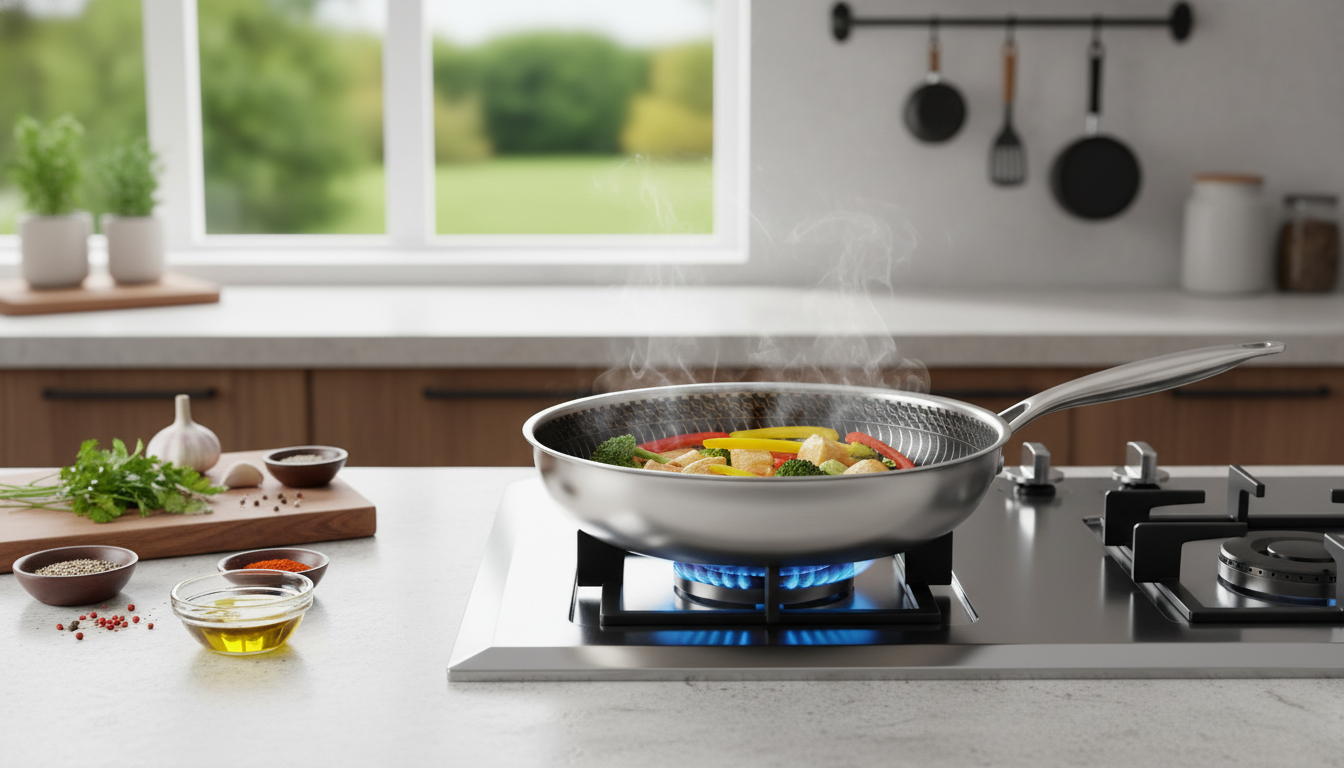
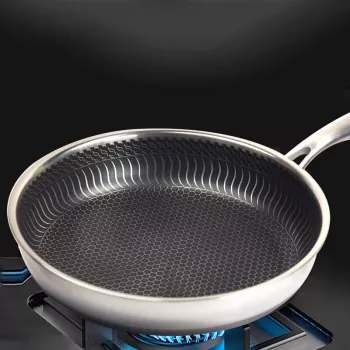
30cm Nonstick Stainless Steel Frying Pan for Gas & Induction Cooking
A 30cm stainless steel frying pan with a nonstick interior is built for high-heat everyday cooking—searing proteins, sautéing vegetables, and finishing pan sauces—while staying compatible with both gas flames and induction hobs. The right size, base construction, and coating care routine make the difference between effortless release and frustrating sticking over time. For more guidance, see 5 Best Frying Pans of 2026, Lab Tested and Reviewed.
What a 30cm stainless nonstick pan is best at
A 30cm (about 12-inch) frying pan hits the sweet spot for weeknight meals where you want space, speed, and straightforward cleanup. The stainless exterior brings durability and a classic, kitchen-ready look, while the nonstick interior helps delicate foods release with less added fat. For further reading, see Your best All Purpose Fry Pan – Cookware – Hungry Onion.
- Roomy cooking surface for 2–4 portions: chicken cutlets, salmon fillets, fajita-style vegetables, or a family-sized stir-fry.
- Nonstick interior for delicate foods (eggs, fish, tofu) with less oil and easier cleanup.
- Stainless steel exterior for durability and a classic look that fits most kitchens.
- Useful as an everyday “one-pan” tool: sauté → simmer → serve, without switching cookware.
Gas and induction compatibility: what to look for
Gas and induction behave differently. Gas concentrates heat where the flame contacts the pan, so the goal is spreading that heat evenly. Induction heats the pan through a magnetic field, so the goal is full, stable contact and a magnetic base.
- Induction requires a magnetic base; a flat, stable bottom helps maintain full contact with the glass surface.
- Gas cooking benefits from even heat spreading to reduce hot spots directly above the flame.
- A thick, bonded base (often multi-layer) improves temperature stability and reduces scorching.
- Keep the base clean and dry before induction use to prevent residue marks on glass tops.
| Feature | Why it matters | What to do |
|---|---|---|
| Magnetic base | Required for induction heating | Test with a fridge magnet; it should stick firmly |
| Flat bottom | Maximizes induction contact and stability | Avoid warping by not blasting an empty pan on high heat |
| Heat-spreading base | More even browning on gas and induction | Preheat gradually; match burner size to pan base |
| Safe handle grip | Control while tossing and pouring | Use a dry towel or mitt; keep handle out of the flame path |
Size guide: is 30cm the right diameter?
Diameter is more than a number—it determines whether ingredients brown or steam. A 30cm pan gives proteins and vegetables the breathing room they need for caramelization, especially when cooking for more than one person or building layered one-pan meals.
- Ideal when cooking for couples or families and when ingredients need space to brown instead of steam.
- Great for shallow frying (cutlets, schnitzel, tempura-style vegetables) because splatter stays more contained than in smaller pans.
- May feel large on compact hobs; confirm the induction ring size and storage space.
- If most meals are single-portion eggs or small sauté tasks, a smaller pan can be more convenient.
Nonstick performance: heat settings and utensils that protect the coating
Nonstick works best with a lighter touch: controlled heat, a thin layer of cooking fat, and utensils that won’t scratch. That combination helps preserve the coating and keeps cleanup quick.
- Use low-to-medium heat for most nonstick cooking; high heat is best reserved for brief preheats or quick sears when the manufacturer allows.
- Add oil or fat before ingredients for better release and to reduce dry-hot heating of the coating.
- Prefer silicone, wood, or nylon utensils; avoid metal tools that can scratch and shorten coating life.
- Avoid aerosol cooking sprays that can polymerize into sticky residue over time; use a small amount of liquid oil instead.
Everyday cooking results: techniques that keep food from sticking
Even great nonstick pans stick when technique is off. A few small habits—especially around moisture and timing—make the biggest difference for browning and clean release.
Cleaning and maintenance for long-lasting nonstick
Safety and materials: practical considerations
Nonstick cookware is widely used in home kitchens, but it performs best when it isn’t overheated—especially when empty. For a deeper look at safety considerations and materials commonly discussed in relation to nonstick, review guidance from Harvard Health and background information from the FDA. For practical longevity tips, Consumer Reports outlines everyday habits that reduce wear.
30cm Nonstick Stainless Steel Frying Pan for Gas & Induction Cooking: overview
If you want one everyday skillet that can move between gas and induction setups, 30cm Nonstick Stainless Steel Frying Pan for Gas & Induction Cooking is sized for real meals—searing multiple portions without crowding, sautéing a full pan of vegetables, and handling shallow-fry tasks with room to work.
| Item | Detail |
|---|---|
| Product | 30cm Nonstick Stainless Steel Frying Pan for Gas & Induction Cooking |
| Price | 93.32 USD |
| Availability | In stock |
More in-stock picks
- Eco-Friendly Cloth Diaper Gift Set with Wet Bag
- Women’s Long-Sleeve Yoga Jacket & High-Stretch Fitness Set
- Personal Finance Made Easy Ebook – Budgeting, Saving, Investing & Debt Management Guide for Financial Freedom
FAQ
Can a stainless steel nonstick pan be used on induction?
Yes if the base is magnetic; a simple magnet test confirms compatibility. A flat base also helps the pan maintain strong contact with the induction surface for steadier heating.
What heat level should be used for nonstick cooking on gas or induction?
Low-to-medium heat works best for most nonstick tasks. Preheat gently, avoid prolonged empty-pan heating, and use high heat only briefly when necessary.
How should a nonstick stainless frying pan be cleaned to protect the coating?
Let it cool first, then wash with mild soap and a soft sponge. Avoid abrasive scrubbers, and soak briefly for stuck-on residue instead of scraping.















Leave a comment