Lighted Glass Curio Cabinet: Tempered Doors & Shelves
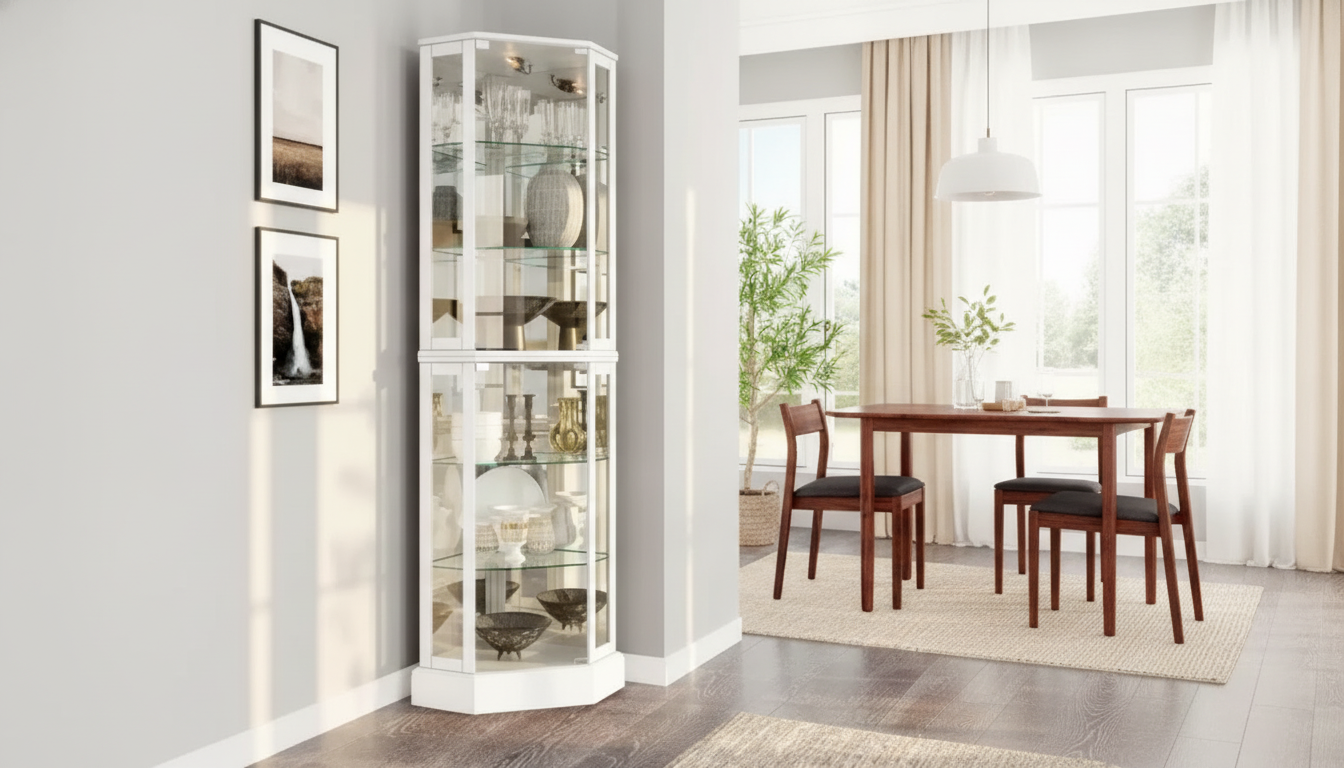
Lighted Glass Display Curio Cabinet with Tempered Glass Doors and Shelves: A Clean, Gallery-Style Way to Showcase Favorites
A lighted curio cabinet brings order and drama to collectibles, barware, and decor without crowding the room. With tempered glass doors and shelves, the display stays bright and protected while the contents look intentionally curated—more like a small home gallery than storage.
What Makes a Lighted Curio Cabinet Feel “Gallery-Ready”
The difference between a cabinet that simply holds items and one that looks “curated” usually comes down to visibility, restraint, and protection. A gallery-like display lets each piece read clearly from across the room while keeping the overall silhouette calm.
- Built-in lighting that highlights shapes, labels, and reflective surfaces instead of leaving items in shadow
- Tempered glass doors that reduce worry about everyday bumps in busy rooms
- Tempered glass shelves that keep sightlines open from multiple angles
- A clean silhouette that lets collections stand out rather than the furniture itself
- Enclosed doors that help reduce dust buildup compared with open shelving
Tempered Glass Doors and Shelves: Practical Benefits
Tempered glass is designed to be stronger than standard glass and is widely used in situations where durability matters. For a display cabinet, it also supports a more “floating” look—clear shelves don’t visually block the back wall, so the whole piece feels lighter and less bulky in smaller rooms. For background on tempered glass and why it’s used for strength and safety behavior, see Britannica’s overview of tempered glass.
- Tempered glass is designed to be stronger than standard glass and is widely used where durability is important
- Clear shelves create a floating effect that visually expands smaller rooms
- Glass doors help prevent accidental knocks while still keeping items fully visible
- Smooth surfaces wipe clean easily; microfiber cloths help avoid streaks
- Consider how often doors will be opened—handles, hinges, and alignment affect everyday satisfaction
Tempered glass display cabinet checklist
| Detail to check | Why it matters | What to look for |
|---|---|---|
| Door closure and hinge feel | Reduces rattling and keeps alignment steady | Even gaps, smooth swing, secure closing |
| Shelf thickness and support points | Helps prevent sagging and improves stability | Sturdy mounts, level seating on both sides |
| Edge finish | Comfort and safety while loading items | Smooth, polished edges |
| Interior clearance | Fits taller pieces without awkward stacking | Enough height between shelves for intended items |
| Lighting placement | Avoids harsh hotspots and glare | Even spread across shelves, minimal reflection |
Lighting That Flatters Collectibles (Without Glare)
Lighting can make glassware sparkle, make ceramics look richer, and bring dimension to small objects—but it can also create mirror-like glare on the doors if items are packed too tightly or placed straight-on to the light source. For general context on lighting safety and certification practices, UL Solutions provides helpful background: UL Solutions – Lighting.
- Warm-to-neutral light tends to make ceramics, wood tones, and vintage pieces feel inviting
- Cooler light can sharpen the look of crystals, glassware, and modern metallic finishes
- Place reflective items slightly off-center to reduce direct glare through the doors
- Use spacing between items so the light creates depth instead of a crowded look
- If displaying sensitive items, avoid placing them too close to the light source for long periods
Where This Cabinet Fits Best at Home
A glass display cabinet works best where it can be appreciated from a few viewpoints—walkways, seating areas, or across a dining room—without becoming a snag point in daily traffic.
- Living room: a focal point for art objects, travel souvenirs, or a record of milestones
- Dining room: glassware, serving pieces, and seasonal table decor kept dust-free
- Home office: awards, books, and collectibles shown professionally during video calls
- Entryway: a refined way to display a small, edited collection—avoid overcrowding high-traffic zones
- Bedroom: perfumes and decor can look boutique-like; keep daily-use items elsewhere to maintain the curated feel
Styling Ideas: The “Museum Shelf” Method
Care, Safety, and Long-Term Use
Glass display cabinets stay beautiful with small, consistent habits: gentle cleaning, smart weight distribution, and stable placement. If the cabinet is tall or placed where it could be bumped, it’s worth reviewing tip-over prevention guidance from the U.S. Consumer Product Safety Commission: CPSC – Anchor It! Prevent Tip-Overs.
Product Spotlight: Lighted Glass Display Curio Cabinet with Tempered Glass Doors and Shelves
If the goal is a bright, organized display that still feels calm and minimal, the Lighted Glass Display Curio Cabinet with Tempered Glass Doors and Shelves is built for that gallery-ready balance. An illuminated interior draws the eye to the collection, while clear tempered glass doors and shelves keep sightlines open and help protect items from casual bumps and dust.
Pairing Ideas: What to Display Together
Two easy add-ons to complete the look
- Luxury Astronaut Resin Sculpture with Sound and Light: a conversation piece that plays well with illuminated, modern displays.
- Modern Minimalist Round Coffee Table: a clean-lined companion that keeps the room feeling open so the cabinet can be a focal point.
FAQ
What is the difference between tempered glass and regular glass in a display cabinet?
Tempered glass is engineered to be stronger than standard glass, which is why it’s commonly used where extra durability is important. It’s also designed with safety in mind compared with regular glass, making it a practical choice for furniture doors and shelving.
How do lighting choices affect what a curio cabinet displays?
Warm-to-neutral lighting tends to flatter wood tones, ceramics, and vintage items, while cooler lighting can make crystal and modern metallic finishes look sharper. Spacing items and positioning reflective pieces slightly off-center helps reduce glare on the glass doors.
How should heavy items be arranged on glass shelves?
Place heavier pieces on lower shelves, distribute weight evenly, and avoid loading weight near the front edge. For best results, stay within the shelf capacity guidance provided in the product documentation and keep weight balanced across support points.








Leave a comment