Smart Cordless Wet/Dry Vacuum Mop: Clean Faster Daily
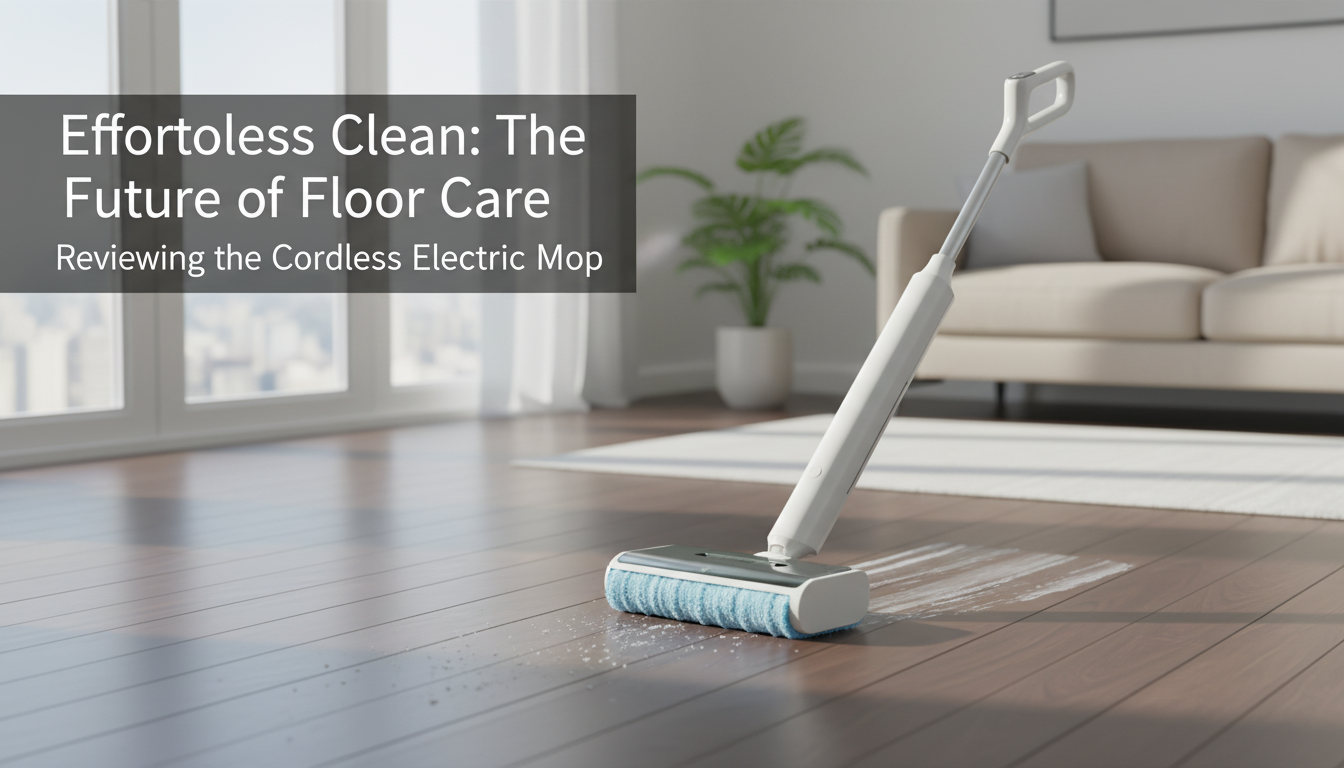
Smart Cordless Wet Dry Vacuum Mop: Everyday Cleanups Without the Hassle
Spills, crumbs, muddy footprints, and pet messes rarely happen on schedule. A smart cordless wet dry vacuum mop combines vacuuming and mopping in one pass, helping keep hard floors and low-pile areas looking fresh with fewer tools to juggle. It’s a practical way to stay on top of daily messes—especially when you want a quick reset without hauling out a broom, a mop bucket, and a separate vacuum.
Below is what this type of cleaner is best at, where it has limits, and how to get consistently better results with simple habits like correct solution dosing and quick after-use rinsing.
What It Does (and What It Doesn’t)
A wet/dry vacuum mop is built for everyday, mixed messes: dry debris plus light wet residue. That “one pass” convenience is the main appeal—pick up crumbs and grit, then wipe what’s left behind without switching tools.
- Handles dry debris and light wet messes in a single routine: pick up crumbs, then wipe the residue.
- Works best on sealed hard floors (tile, vinyl, laminate, sealed wood) and some low-pile rugs depending on the unit.
- Not a substitute for a full carpet deep clean or heavy-duty shop vac tasks.
- Results depend on using the right cleaning solution amount and keeping rollers/filters maintained.
For homes with a mix of flooring, this kind of unit often becomes the “weekday cleaner,” while a traditional vacuum remains helpful for upholstery, stairs, and deeper carpet work.
Key Features to Look For in a Smart Cordless Wet/Dry Vacuum Mop
The difference between “quick and satisfying” and “why is it streaking?” usually comes down to water separation, brush care, and how easy the unit is to maintain. Smart indicators also matter more than they seem—simple alerts can prevent clogs, odors, and reduced suction over time.
Feature checklist and why it matters
| Feature | Why it matters | Quick tip |
|---|---|---|
| Two-tank system | Keeps clean water separate from dirty water for better results | Empty dirty tank after every use |
| Self-cleaning brush | Reduces buildup, odors, and maintenance time | Run self-clean after tackling sticky messes |
| Smart display/alerts | Shows battery, errors, and tank status at a glance | Watch for filter or airflow alerts |
| Cordless runtime | Determines how much floor area can be cleaned per charge | Choose higher runtime for larger homes |
| Edge cleaning | Improves pickup along walls and cabinets | Make a slow pass along baseboards |
| Easy tank access | Makes refills and cleaning more likely to happen | Rinse tanks and let them air-dry |
Also consider maneuverability (swivel steering, low-profile head) and how the dock is designed. A docking/charging base that stores accessories and allows drip-dry can make the difference between a tool you use daily and one you avoid because cleanup feels tedious.
A Simple Cleaning Routine That Works
A consistent routine keeps floors looking better with less effort. The goal is controlled moisture and steady passes—not flooding the floor and hoping for the best.
- Prep: Remove larger items (toys, cables) and do a quick sweep of big debris if needed.
- Fill correctly: Add water and the recommended cleaner amount; skip over-foaming solutions that can reduce performance.
- Plan your path: Start with high-traffic zones and work toward exits to avoid stepping on damp floors.
- Slow down on spots: Use slower passes on dried-on messes; repeat once rather than saturating the area.
- Wrap up right away: Empty the dirty tank, rinse it, and run self-cleaning if available.
- Dry fully: Let the brush head and tanks dry completely to help prevent smells.
If you’re dealing with a sticky spill (juice, sauce, syrup), a quick “first pass” to lift the bulk followed by one slower pass often works better than pressing harder or adding more solution.
Maintenance That Keeps Performance Consistent
Most “my cleaner started to smell” or “it’s leaving streaks” complaints trace back to one thing: leftover dirty water and damp parts stored without airflow. A few minutes of maintenance protects both performance and longevity.
For general best practices around selecting safer cleaning products and using them as directed, see the EPA Safer Choice program. For cleaning guidance in home settings, the CDC cleaning and disinfecting resources are also helpful, especially when you’re cleaning around kids, pets, or illness.
Who It’s Best For
Smart Cordless Wet Dry Vacuum Mop at a Glance
Product snapshot
| Item | Details |
|---|---|
| Product | Smart Cordless Wet Dry Vacuum Mop |
| Price | 247.67 USD |
| Availability | In stock |
Related Picks for a More Organized Routine
- Eco-Friendly Cloth Diaper Gift Set with Wet Bag for grab-and-go organization of baby essentials.
- Women’s Long-Sleeve Yoga Jacket & High-Stretch Fitness Set for comfortable movement and easy layering.
- Personal Finance Made Easy Ebook to help keep household planning on track.
FAQ
Can a wet/dry vacuum mop replace a regular vacuum?
It can cover daily debris on hard floors and, depending on the model, handle light cleanup on low-pile rugs. A dedicated vacuum is still useful for deep carpet cleaning, upholstery, stairs, and high-pile rugs.
What cleaning solution should be used?
Use the manufacturer-approved solution when possible and measure it correctly to avoid residue and excess foam. Avoid harsh chemicals (including bleach) and high-foam soaps that can affect seals, sensors, and overall performance.
How often should the brush and tanks be cleaned?
Rinse the dirty tank after every use and run the self-cleaning cycle when available, especially after sticky messes. Remove hair from the roller regularly and let tanks/parts dry fully to help prevent odors.















Leave a comment