Winter Pet Jumpsuit Fit Guide: Warm 4-Leg Lace Suit
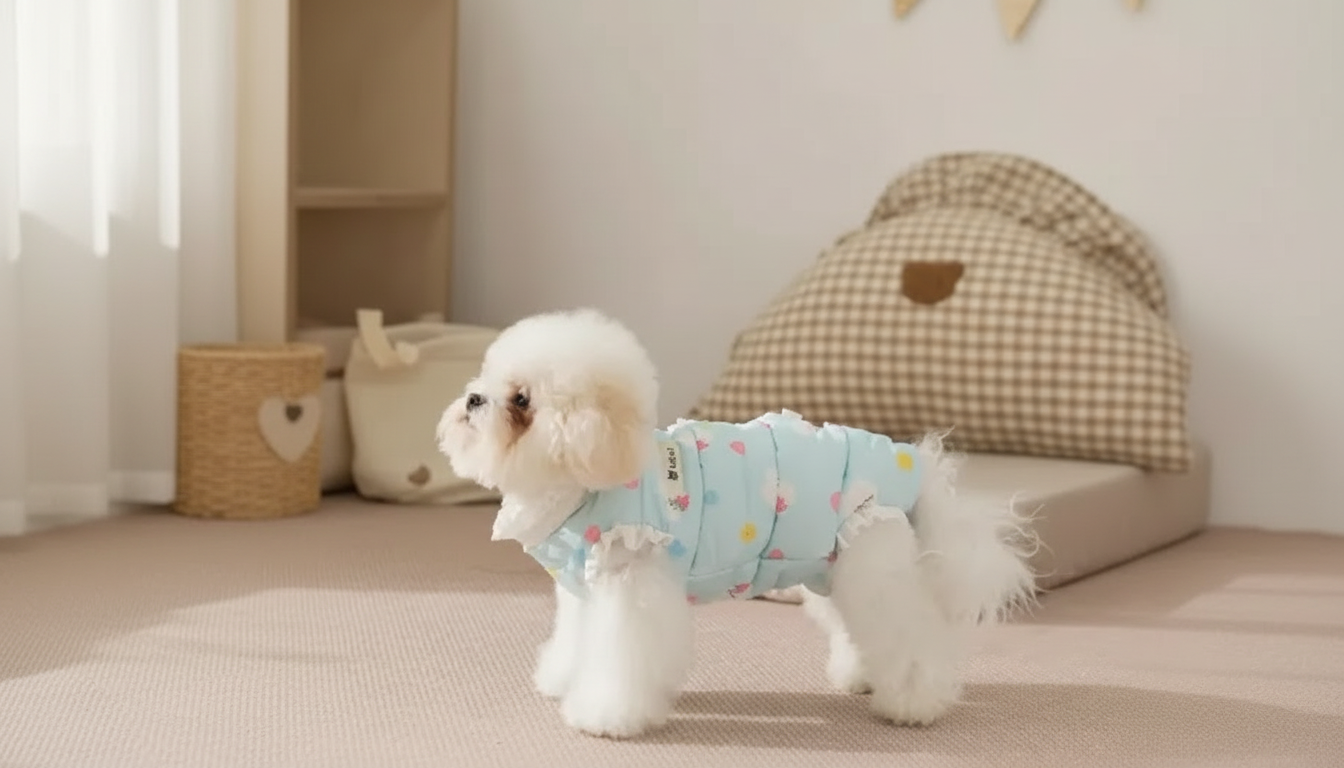
Cozy Coverage for Cold Days: Why a Winter Pet Jumpsuit Can Help
Cold weather can make walks shorter and indoor lounging less comfortable—especially for small, short-haired, senior, or low-body-fat pets. A warm jumpsuit adds an extra layer without restricting movement, and a four-leg design can help reduce exposure along the belly and legs. If your pet shivers on quick potty breaks or seeks blankets on cooler floors, a well-fitted winter jumpsuit can offer practical warmth while still letting them move naturally.
What Makes a Winter Pet Jumpsuit Worth Wearing
- Warmth without bulk: A lightly insulated feel helps retain body heat while staying comfortable for play, naps, and car rides.
- Four-leg coverage: Extra protection along the underside and legs can reduce that “cold shock” when stepping outside into wind, snow dust, or chilly air.
- Comfort-first details: Look for a soft interior, smooth seams, and a cut that doesn’t rub underarms or along the groin area during walking and sitting.
- Easy on/off: Stretch and practical openings make dressing quicker—especially helpful for pets that get impatient with outfit changes.
- Style that stays functional: Lace accents can look polished without getting in the way when they’re placed where movement won’t snag or bunch.
For broader cold-weather guidance, safety organizations like the American Veterinary Medical Association (AVMA) and the American Kennel Club (AKC) recommend monitoring pets closely in low temperatures and limiting exposure when conditions are harsh.
Highlights of the Cute Lace Four-Leg Design
A four-leg silhouette isn’t just a fashion choice—it helps keep more of the body covered, which can be useful for quick potty breaks during cold snaps. Lace trim adds a dressed-up look for photos, visits, and holiday gatherings while still functioning as a warm layer. Compared with loose sweaters or capes that may twist, a jumpsuit shape can reduce shifting so coverage stays in place when your pet trots, sits, or curls up.
For a cute look that still performs like real winter wear, start with a balanced fit: snug-but-not-tight. Your pet should be able to take a full stride, sit squarely, and lie down without the fabric pulling at the shoulders or bunching at the belly.
Two-Second Check: Is the Fit Right?
| Check area | Good sign | Adjust if you notice |
|---|---|---|
| Neck/shoulders | Can slide two fingers under the fabric; no choking or stiff posture | Gagging, pawing at neckline, hunched back |
| Chest/underarms | Front legs move freely without rubbing | Short steps, licking armpits, red marks |
| Belly/groin | Allows comfortable potty posture; stays clean after a short walk | Urine contact, soiling, or fabric bunching |
| Back length | Covers core without pressing at tail base | Tail tucked, scooting, or pressure near tail |
| Legs/paws | Cuffs stay above paws; no tripping | Stepping on fabric, slipping, frequent stops |
Sizing and Measuring for a Secure, Comfortable Fit
Getting the size right is what turns a winter outfit into something your pet will actually tolerate. Start with chest girth (the widest part behind the front legs). That measurement usually determines mobility and comfort more than any other number.
- Chest girth first: A too-tight chest restricts breathing and stride; a too-loose chest lets the suit twist and gap, losing warmth.
- Back length next: Measure from the base of the neck to the base of the tail so the suit covers the core without pressing near the tail base.
- Neck girth for in-between pets: Helpful for broader-shouldered pets or those between sizes.
- If between sizes: Prioritize the chest fit first, then consider back length and leg openings so the stride stays natural.
- Do an indoor trial: Let your pet walk, sit, and lie down for several minutes before heading outside.
Comfort, Warmth, and Movement: Practical Use in Winter
A winter jumpsuit can work as the main warm layer for mild cold or as a mid-layer under a coat in deeper cold—only if your pet can still move easily. Small pets, short-coated breeds, seniors, and very young pets often benefit most when temperatures drop or wind picks up.
- Keep movement natural: With a four-leg design, confirm your pet can take full steps and squat comfortably.
- Avoid overheating indoors: If you notice panting, restlessness, or your pet moving away from warm spots, remove the outfit and let them cool down.
- Plan for winter ground conditions: Snow, slush, and de-icing salt can irritate paws and also cling to leg fabric; wipe paws and lower legs after walks and consider paw protection when conditions are rough.
Care and Everyday Maintenance
Cold-Weather Safety Tips While Dressing Pets
When This Jumpsuit Is a Great Choice
Shop Winter Essentials
- Cozy Winter Pet Jumpsuit with Cute Lace & Four-Leg Design ($15.82)
- Eco-Friendly Cloth Diaper Gift Set with Wet Bag ($37.51) — handy for travel, senior pets, or extra protection during long outings.
FAQ
How do measurements translate to a comfortable fit for a four-leg jumpsuit?
Start with chest girth as the primary measurement, then confirm the back length covers the core without pressing near the tail. Choose the size that fits the chest first, check that leg openings allow a full stride, and do an indoor test (walk, sit, and squat) before going outside.
Can a pet wear a winter jumpsuit indoors all day?
Some pets can, but many will overheat indoors—especially in heated rooms or sunny spots. Watch for panting or restlessness and remove the jumpsuit for long naps or if your pet starts seeking cooler surfaces.
How can potty breaks stay clean with a four-leg design?
Make sure there’s proper belly and groin clearance so your pet can squat comfortably without fabric contact. If you notice soiling, adjust sizing or fit, and do a quick wipe of the belly and leg areas after walks to keep the suit clean.















Leave a comment