Aluminum Alloy Bar End Plugs: Secure Fit, Clean Finish
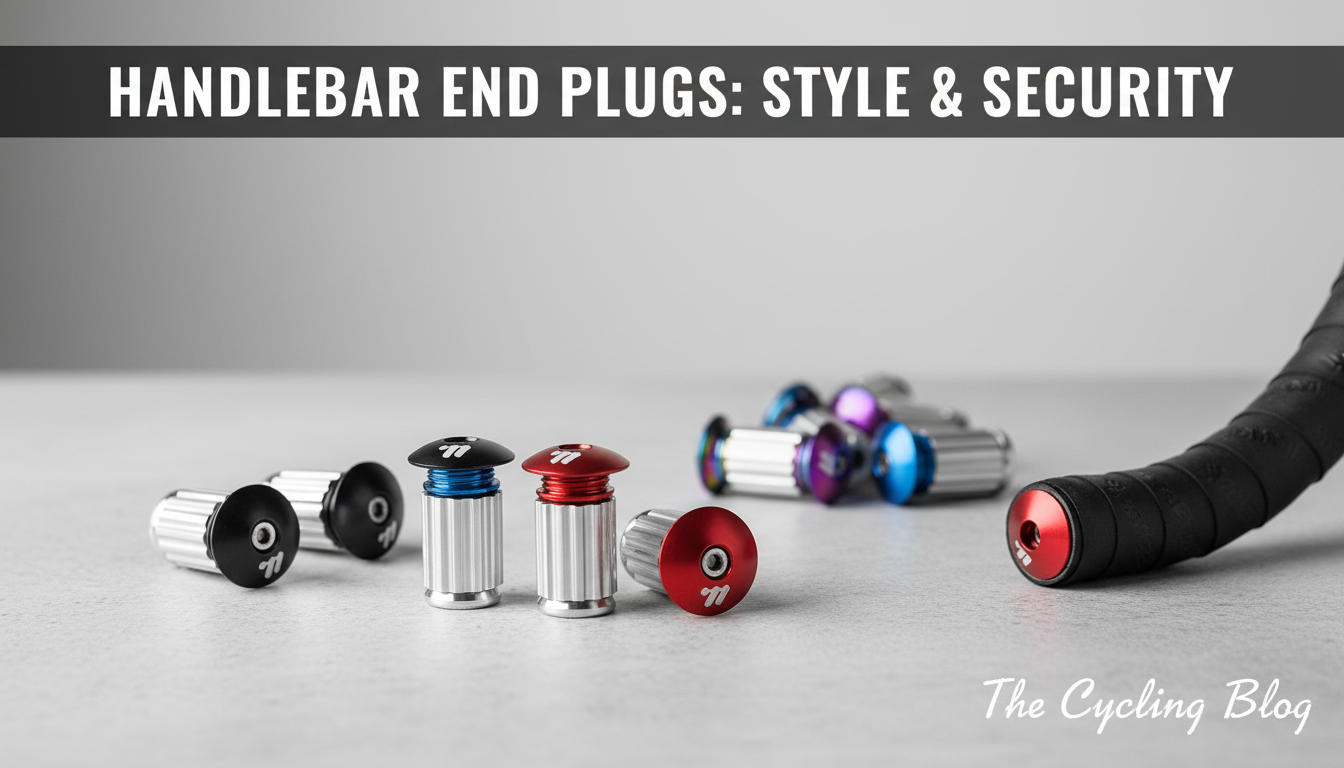
Aluminum Alloy Bike Handlebar End Plugs: Secure Bar Ends, Cleaner Finish, Safer Rides
Handlebar end plugs are small parts with an outsized impact: they help protect riders from sharp bar edges, reduce grip damage, and give a build a finished look. Aluminum alloy end plugs add durability and a snug, confidence-inspiring fit for many flat bars and drop-bar inserts, making them a practical upgrade for commuters, MTB riders, and anyone refreshing worn grips or tape. For more guidance, see 2 Pcs Red Aluminum Motorcycle Handlebar End Plugs.
What Handlebar End Plugs Do (and Why They Matter)
Whether you’re dialing in a new cockpit or just replacing a missing plug, bar ends deserve attention. A properly fitted plug helps keep the open end of the handlebar from becoming a snag point, a dirt trap, or an annoyance that won’t stay quiet. For further reading, see Bar End Caps Road Bike Aluminum Alloy Handlebar End Plugs.
- Cover the open end of the handlebar to reduce the risk of injury from exposed bar edges during a crash or tip-over.
- Help prevent grip ends from tearing and keep dirt, water, and debris from entering the bar.
- Reduce annoying rattles caused by loose bar-end openings on rough pavement or trails.
- Add a clean, finished look that complements stems, spacers, and other cockpit hardware.
Why Aluminum Alloy Plugs Are a Solid Upgrade
Basic plastic plugs can work, but they often deform, split, or loosen after repeated removals or impacts. Aluminum alloy designs are popular because they tend to hold up better and feel more “locked in” once installed.
- Durability: aluminum alloy resists cracking and splitting better than many basic plastic plugs, especially after repeated impacts or removals.
- Retention: many alloy designs use an expanding wedge or compression mechanism that grips the inside of the bar for a secure hold.
- Serviceability: can be removed and reinstalled when changing grips, bar tape, or controls without destroying the plug.
- Appearance: anodized or polished finishes tend to stay looking sharp and match common bike hardware aesthetics.
Fit and Compatibility: What to Check Before Buying
Most “it fell out” or “it won’t go in” issues come down to fit. Taking a moment to confirm bar type and sizing can save a lot of frustration, especially on carbon bars or thin-walled alloy bars where over-tightening isn’t the move.
- Bar type: confirm whether the bike uses flat bars (typical MTB/commuter) or drop bars (road/gravel). Plugs can work for both, but some are optimized for one style.
- Inner diameter: handlebar internal diameter varies by material and wall thickness; a secure plug relies on the correct expansion range.
- Grip or tape interface: ensure the plug’s outer lip seats neatly against the end of the grip or bar tape without creating a gap or bulge.
- Bar-end accessories: if using bar-end mirrors, bar ends, or certain handguards, verify the plug won’t interfere with mounting.
- Riding conditions: frequent wet riding favors a plug that seals well and stays tight after temperature and moisture changes.
Quick compatibility checklist
| Check | What to look for | Why it matters |
|---|---|---|
| Handlebar inner diameter | Plug expansion range matches bar ID | Prevents loosening and rattling |
| Grip/tape end shape | Outer cap sits flush without gaps | Cleaner feel, less peeling and dirt ingress |
| Bar-end accessories | No conflict with mirrors/handguards/bar ends | Avoids rework after installation |
| Riding environment | Secure retention and decent sealing | Better longevity in rain and dust |
Installation: A Reliable Method for a Snug, Quiet Fit
Installing expanding alloy plugs is straightforward, but small details make the difference between “tight for a week” and “tight for the season.” If you’re finishing fresh bar tape on drop bars, Park Tool’s taping guide is a helpful reference for clean endings and plug placement: Park Tool — Handlebar Tape Installation.
For a broader overview of handlebar and finishing practices (especially when mixing tape styles, bar shapes, and accessory mounting), Sheldon Brown’s reference page is a classic: Sheldon Brown — Handlebars and Bar Tape.
Common Problems and Quick Fixes
Care and Longevity Tips
A Simple Upgrade Option
If you’re replacing grips, rewrapping tape, or finishing a new build, Aluminum Alloy Bike Handlebar End Plugs are a practical choice for riders who want a secure fit, durable construction, and a clean finish at the bar ends. It’s also a smart replacement after losing a plug mid-ride—especially if you’ve noticed rattling or frayed grip edges.
More items available in the shop
- Women’s Long-Sleeve Yoga Jacket & High-Stretch Fitness Set
- Personal Finance Made Easy Ebook – Budgeting, Saving, Investing & Debt Management Guide for Financial Freedom
FAQ
Do handlebar end plugs fit all bikes?
Not always. Fit depends on the handlebar’s inner diameter and the plug’s expansion range, and some plugs are shaped for specific bar types. If you use bar-end mirrors, handguards, or bar ends, confirm the plug won’t interfere with those mounts.
Why choose aluminum alloy plugs instead of plastic?
Aluminum alloy plugs typically resist cracking better, often hold more securely with an expanding mechanism, and can be removed and reinstalled during maintenance. The key is still choosing the right size so the plug can grip the bar properly.
How tight should expanding handlebar end plugs be?
Tighten until the plug can’t be rotated or pulled out by hand, then stop—over-tightening can risk damage on thin-walled bars. Recheck tightness after the first ride, especially if you ride rough pavement or trails.















Leave a comment