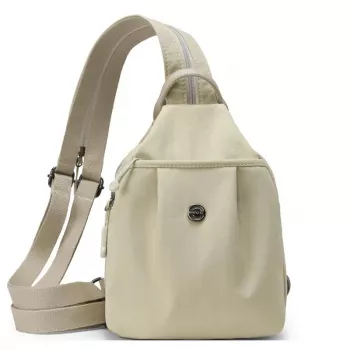
Waterproof Nylon Chest Crossbody Backpack for Women

Waterproof Nylon Women’s Chest & Shoulder Crossbody Backpack
A compact crossbody backpack can take the pressure off pockets and bulky totes—especially on commutes, travel days, festivals, and quick errands. This waterproof nylon style is designed to sit comfortably across the chest or back, keeping essentials close, organized, and better protected from sudden weather. If you want a streamlined, hands-free carry that still feels secure in busy places, a chest-and-shoulder crossbody backpack is an easy upgrade. For more guidance, see Sling Bag For Men & Women – Crossbody Chest Backpack, Water ….
What Makes a Chest & Shoulder Crossbody Backpack Different
Unlike a traditional two-strap backpack, this design is worn diagonally across the body, which changes how you access and manage your essentials throughout the day. For further reading, see New Cycling Lululemon Chest Bag for Men, Multifunctional Tactical ….
- Worn diagonally for quick access without taking the bag fully off
- Keeps weight centered and close to the body for hands-free movement
- Works well in crowded areas where a traditional backpack may feel bulky
- Transitions easily between front-carry (security and access) and back-carry (comfort)
Front-carry is especially helpful on trains, in airports, or at events where you want valuables within view. When you’re walking longer distances, shifting it to the back can feel more relaxed while still keeping the profile compact.
Material and Waterproof Performance
Nylon is a popular choice for everyday bags because it balances durability with low weight. It also tends to clean up easily after scuffs or city grime.
- Nylon is typically chosen for its light weight, abrasion resistance, and easy wipe-down care
- Waterproof fabric helps shed rain and splashes; seams and zippers can still be the most vulnerable points
- For electronics or travel documents, adding a slim internal pouch provides an extra layer of protection
- After heavy rain exposure, air-dry fully before storing to help prevent odor and material fatigue
Care labels can vary by brand and material blends; if your item includes care icons, it helps to recognize the standard system used across textiles (see the ISO 3758 overview). For general, practical cleaning habits that extend the life of everyday gear, the guidance from REI’s care basics is a solid reference point.
Comfort and Fit for All-Day Wear
Fit matters more with a single-strap bag because all the load is managed by one strap and one shoulder at a time. The right adjustment keeps the bag stable instead of bouncing.
- Adjustable strap length supports different body types and preferred carry positions
- A wider strap often feels more comfortable over long periods than a narrow strap
- Front carry can reduce shoulder strain during crowded commutes by keeping the bag stable
- Switching shoulders periodically can help reduce pressure points on longer outings
A practical rule: wear it high enough that it stays close to your torso when you walk, but not so high that it crowds your neckline. If you’re carrying heavier items (like a small water bottle), tighten the strap slightly to reduce swing.
Organization: What Fits and How to Pack It
One of the biggest advantages of a compact crossbody backpack is that it encourages a cleaner, more intentional everyday carry—without the “bottomless tote” effect.
- Ideal loadouts include phone, wallet, keys, sunglasses, small water bottle, compact umbrella, and travel-size toiletries
- Keep high-frequency items (phone, transit card, lip balm) in the easiest-access pocket
- Place heavier items closer to the body to reduce swinging and improve comfort
- Use a small key clip or mini pouch to prevent keys from scratching screens and sunglasses
If you carry earbuds, a charging cable, or a portable battery, grouping them in a slim pouch makes it faster to transfer between bags—handy for weekday commutes and weekend plans.
At-a-Glance Feature Guide
Use this checklist to match the bag’s layout to daily needs before choosing a carry routine. If carrying tech, prioritize zipper quality and consider an interior sleeve or pouch.
| Feature area | Why it matters | Practical tip |
|---|---|---|
| Water resistance | Helps protect essentials in rain and splashes | Use a small dry pouch for passports/phones during heavy rain |
| Nylon fabric | Lightweight, durable, easy to clean | Wipe with a damp cloth; avoid harsh detergents |
| Crossbody strap | Controls bounce and keeps items accessible | Adjust so the bag sits high enough to avoid swinging |
| Zippers & openings | Most common entry point for moisture and wear | Choose smooth, sturdy zippers; keep them free of grit |
| Pocket layout | Separates valuables and reduces clutter | Put sharp items in a small pouch to protect the lining |
Where This Bag Shines: Everyday Scenarios
Care and Longevity Tips
Styling and Versatility
Featured Picks (In Stock)
- Waterproof Nylon Women’s Chest & Shoulder Crossbody Backpack — a compact, weather-ready option for commuting, travel, and daily essentials.
- Women’s Long-Sleeve Yoga Jacket & High-Stretch Fitness Set — an easy athleisure pairing for hands-free days and on-the-go comfort.
- Eco-Friendly Cloth Diaper Gift Set with Wet Bag — a practical companion item for organized outings when you need a dedicated wet/dry solution.
FAQ
Is a waterproof nylon crossbody backpack fully waterproof or just water-resistant?
It’s often waterproof at the fabric level for rain and splashes, but zippers and seams are typically the most vulnerable areas. For electronics or documents, add an internal pouch and avoid prolonged exposure or submersion.
Can a chest crossbody backpack be worn on either shoulder?
Yes—most are adjustable and can be worn across either shoulder depending on comfort and access preference. Switching sides occasionally can reduce pressure points, and keeping the bag positioned higher helps prevent bouncing.
What should be packed to keep it comfortable and balanced?
Place heavier items closest to your body to reduce swing and shoulder strain, and keep frequently used items in the easiest-access pocket. Using a small organizer for keys or sharp objects helps protect screens, sunglasses, and the lining.















Leave a comment