Spot Clean Pet Messes: Stairs, Couches & Car Seats
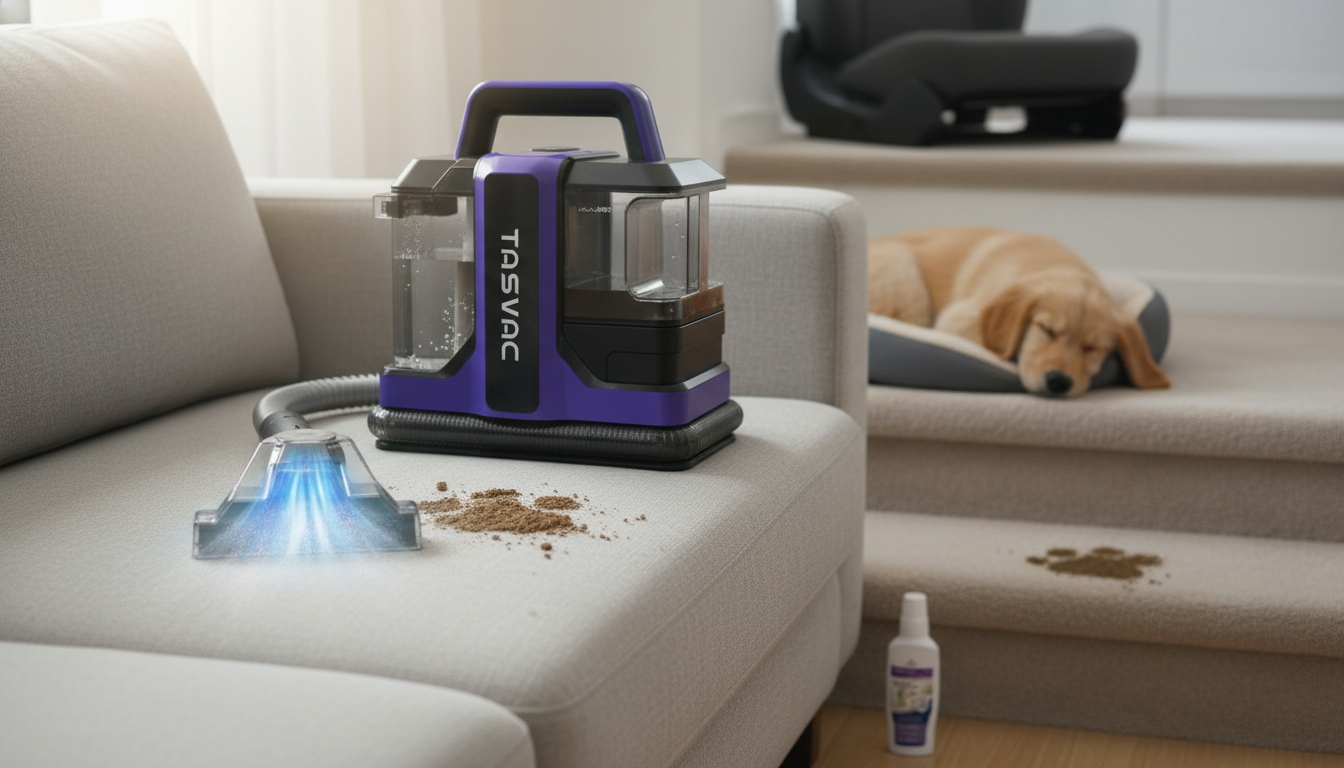
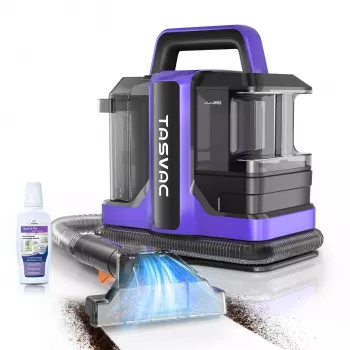
Portable Carpet & Upholstery Cleaner for Pets, Stairs, Couches & Car Seats
Pet accidents, muddy paw prints, snack spills, and everyday grime tend to show up first on fabric surfaces—especially stairs, couch cushions, and car seats. A compact spot cleaner makes it easier to treat messes quickly, reduce lingering odors, and keep upholstery looking fresh without hauling out full-size equipment. For more guidance, see Pet Travel Seat Pilot Study | Center for Pet Safety.
What a portable carpet and upholstery cleaner is best at
A portable carpet and upholstery cleaner (often called a spot cleaner) focuses on fast, targeted cleaning where stains and odors start—right on the fabric. Instead of soaking a large area, it helps you apply solution precisely and extract dirty liquid back out. For further reading, see Pet safety in vehicles | American Veterinary Medical Association.
- Targeted spot cleaning on soft surfaces: Respond quickly to fresh stains before they set into fibers.
- Routine refresh for high-touch zones: Armrests, stair treads, cushion edges, and kid/pet seating spots in cars.
- Pulling embedded dirt and dander: Fabric textures trap grit where wiping alone can’t reach.
- Reducing odor sources: Lifts residue out instead of covering it with fragrance.
For a deeper look at how pets affect indoor air and why removing residue matters, the EPA’s guidance on pet care and indoor air quality is a helpful reference.
Common messes it handles around pets and kids
Most day-to-day fabric messes are a combination of pigments (food/drink), proteins (vomit/urine), and oils (skin and snacks). A spot cleaner helps by flushing and extracting—especially when you work in controlled passes.
- Urine, vomit, drool, and wet paw tracks: Clean fast and plan on multiple extraction passes to remove residue.
- Food and drink spills: Blot first, then clean from the outside edge inward to avoid spreading.
- Ground-in dirt on stairs and entryway rugs: Pre-treat if needed, then use slow strokes for better extraction.
- Car seat grime: Focus on seams and creases where crumbs, oils, and hair collect.
Surface guide: what to do before, during, and after spot cleaning
| Surface / area | Prep | Cleaning approach | Drying tip |
|---|---|---|---|
| Stairs (carpeted) | Vacuum thoroughly; remove loose hair | Work one step at a time; use slow overlapping passes | Keep foot traffic off until fully dry |
| Couch cushions | Check care tag; test on hidden area | Light moisture; avoid oversaturation; repeat short passes | Stand cushions on edge for airflow |
| Car seats (fabric) | Vacuum seams and under child-seat zones | Use controlled bursts; focus on creases and stitching | Crack windows or run fan for faster dry-down |
| Area rugs | Shake/vacuum; spot test | Pre-treat stains; extract in straight lines | Lift edge for ventilation to prevent damp odor |
Features that matter for stairs, couches, and car seats
Not all portable units feel the same in real use. The right design details make stairs less awkward, car interiors less frustrating, and drying time more manageable.
- Portability and reach: A compact body plus practical hose length helps on stairs and around tight car footwells.
- Strong suction for extraction: Removing dirty liquid is the difference between “looks cleaner” and “actually dries faster.”
- Tank design: Separate clean/dirty tanks simplify refills and make it obvious when to empty.
- Tooling for tight spaces: A narrow nozzle or brush head improves results along seams, piping, and corners.
- Easy cleanup after use: Rinsable parts reduce buildup that can cause musty smells over time.
For general best practices on keeping carpets in good shape between deep cleans, the American Cleaning Institute’s carpet care basics are a solid baseline.
How to use a portable spot cleaner for best results
Consistency and restraint—especially with moisture—usually produce the cleanest finish. Aim to remove as much soil as possible while leaving fabric only lightly damp.
- Step 1: Remove solids and blot liquids with paper towels or a clean cloth (do not rub).
- Step 2: Vacuum the area to remove hair and grit that can smear into fabric during cleaning.
- Step 3: Pre-treat set-in stains when needed; follow product directions and dwell time.
- Step 4: Use short, controlled sprays; make slow extraction passes to lift moisture and residue.
- Step 5 (optional): Do a light clean-water rinse pass to reduce detergent residue on upholstery.
- Step 6: Speed drying with airflow—fans, open windows, or a dehumidifier—especially for cushions and car seats.
Mistakes to avoid (and how to fix them)
Maintenance and storage for long-term performance
A practical pick for everyday messes
In-stock picks to keep fabric surfaces cleaner
- Portable Carpet & Upholstery Cleaner for Pets, Stairs, Couches & Car Seats ($71.01) — a go-to option for fast spot cleanup on upholstery, stairs, and fabric car seats.
- Eco-Friendly Cloth Diaper Gift Set with Wet Bag ($37.51) — handy for travel or day-to-day life as reusable cloths plus a wet bag to contain damp cleanup items.
- Personal Finance Made Easy Ebook – Budgeting, Saving, Investing & Debt Management Guide for Financial Freedom ($20.99) — useful for building a simple home-maintenance budget (including cleaning tools and replacements) so essentials don’t become surprise purchases.
FAQ
Can a portable upholstery cleaner remove pet urine odor completely?
It can significantly reduce urine odor when it removes the residue causing the smell, especially if you clean promptly and do extra extraction and drying passes. For older accidents, an enzyme cleaner used as directed can help break down remaining odor sources.
Is it safe to use on a fabric couch or car seats?
Yes, as long as you check the fabric care label, spot-test first, and use minimal moisture to avoid soaking padding or foam. Thorough drying with airflow helps prevent damp odors and water marks.
How often should stairs and couch cushions be spot-cleaned?
Clean immediately after spills or accidents, and do occasional refresh passes on high-traffic steps and favorite seating spots. Frequent light cleanings are often easier (and look better) than waiting for stains to build up.














Leave a comment