Best Folding Balance Bike for Kids 5–8: Fit & Safety
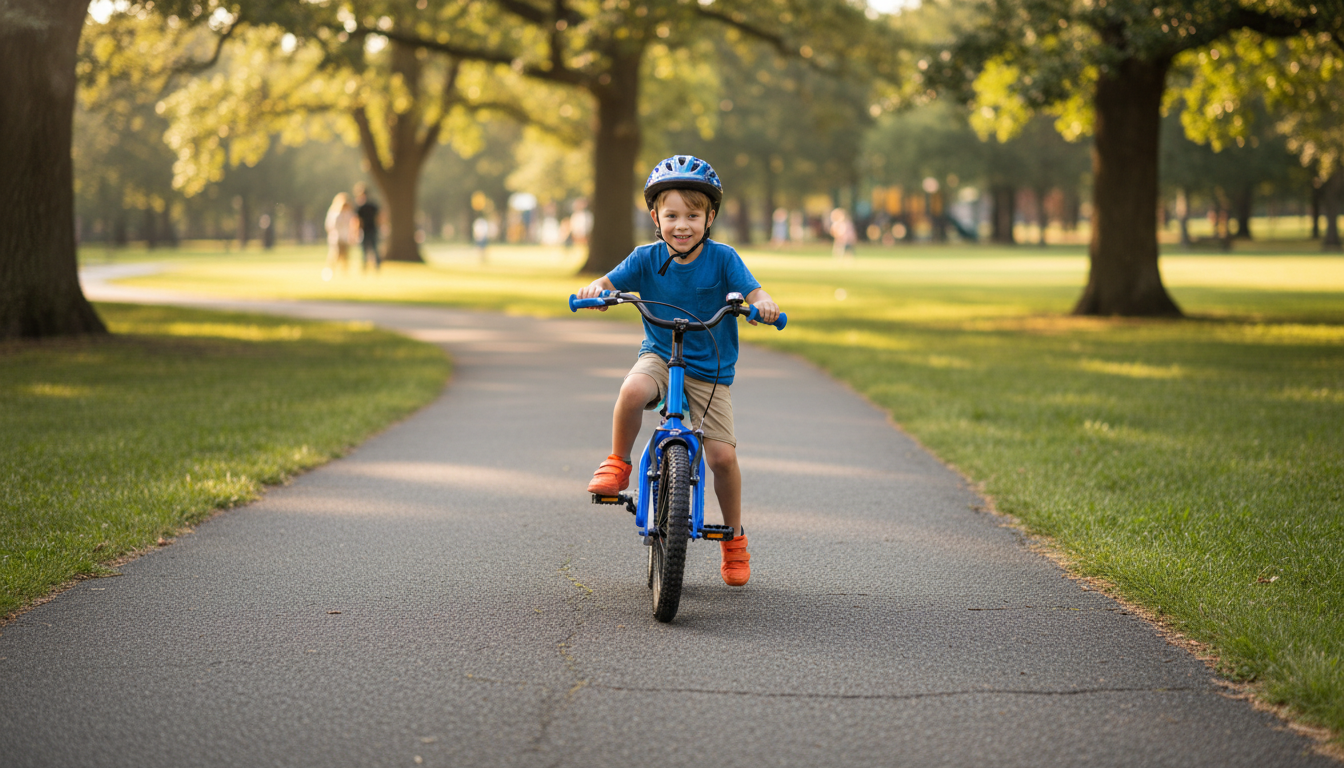
A folding balance bike can make riding practice easier to fit into busy family routines—quick storage at home, simpler transport in the car, and less hassle when heading to parks or school. For kids ages 5–8, the right match comes down to fit, safe handling, and a setup that encourages confident gliding and braking. For more guidance, see Running on a mini-trampoline – Mayo Clinic Connect.
Why a Folding Balance Bike Works Well for Ages 5–8
By ages 5–8, many kids are ready for longer glides, wider turns, and more “real bike” handling—especially if they’re starting later than their friends or didn’t click with smaller toddler balance bikes. A folding model adds a practical advantage: it’s easier to bring along, easier to stash away, and more likely to get used regularly. For further reading, see Balance bikes vs scooters for toddlers – Cycling UK.
- Portability for park trips, vacations, and visiting family: folding frames take up less trunk and closet space.
- A practical option for older beginners: bigger wheels can feel more stable on smooth paths and sidewalks.
- Quick transitions: when setup and storage are simple, short practice sessions happen more often.
- Confidence-building learning path: balance bikes prioritize steering, balance, and controlled stopping before pedals.
What to Check Before Buying (Fit Comes First)
Fit affects everything: how quickly a child learns, how safely they can stop, and whether the bike feels fun or frustrating. For ages 5–8, don’t rely on age alone—use inseam and adjustability as the deciding factors.
- Inseam fit: the rider should be able to place both feet flat on the ground while seated for easy starts and safe stops.
- Seat height adjustment range: enough room to grow over the next year or two without forcing tiptoes.
- Handlebar position: a comfortable reach with a slight bend in the elbows; avoid a stretched posture that makes steering twitchy.
- Weight and handling: lighter bikes are easier to push, steer, and catch during wobbles—especially helpful for new riders.
Quick Fit and Readiness Checklist for Ages 5–8
| Check | Good Sign | Why It Matters |
|---|---|---|
| Feet on ground while seated | Flat feet or near-flat feet | Safer stops and faster confidence |
| Seat height adjustability | Room to raise as skills improve | Supports proper leg extension for gliding |
| Handlebar reach | Relaxed shoulders, elbows slightly bent | Better control and less fatigue |
| Bike weight | Child can lift/turn it with minimal help | Easier learning and fewer frustrations |
| Fold mechanism | Locks securely with no wobble | Prevents unexpected movement during riding |
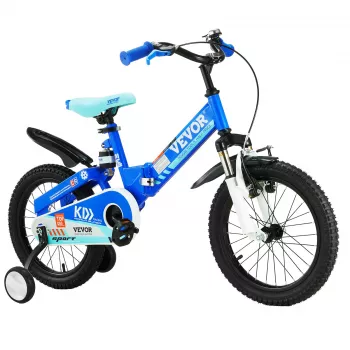
Spotlight: Folding 16″ Balance Bike for Kids Ages 5–8
If your rider is ready for a bigger feel (or is beginning later), a 16-inch balance bike can be a sweet spot for stability and confidence. The folding feature is especially helpful for families who juggle school pickup, sports, and weekend outings—because the bike is easier to tuck away and bring along.
See the product here: Folding 16″ Balance Bike for Kids Ages 5-8.
- 16-inch wheel size: suits many riders who have outgrown smaller balance bikes or are starting later and want something that looks more like a pedal bike.
- Folding design: helpful for apartments, garages, shared storage rooms, or tossing in the trunk without rearranging everything.
- Gear basics: pair with a properly fitted helmet and closed-toe shoes; gloves and knee/elbow pads can help cautious beginners stay relaxed.
- Simple practice plan: start with short sessions on smooth pavement, then progress to gentle slopes and wider turns as control improves.
If you’re building a ready-to-go “ride day” routine, a couple of family-friendly add-ons can make outings smoother: a comfortable layer for adults on breezy mornings like the Women’s Long-Sleeve Yoga Jacket & High-Stretch Fitness Set, and an easy digital reference for organizing bigger kid activities and budgets like the Personal Finance Made Easy Ebook – Budgeting, Saving, Investing & Debt Management Guide for Financial Freedom.
Safety Setup and Skills Progression
Safety on a balance bike is mostly about preparation and habit. Because folding bikes are moved and stored more often, it’s worth building a quick check into the routine before every ride.
- Helmet fit: the helmet should sit level on the head, straps snug, and the helmet should not shift much when the child shakes their head. The CDC’s helmet safety guidance is a helpful reference for fit and correct use.
- Check bolts and clamps regularly: especially after folding/unfolding; re-tighten if anything loosens.
- Pick low-traffic practice zones: empty courts, wide sidewalks, flat park paths—areas with plenty of run-off space so kids don’t feel rushed.
- Teach “look where you want to go”: kids tend to steer toward what they stare at; this cue reduces sudden swerves.
A simple progression that builds control
For broader kids’ bicycle safety reminders (including visibility and supervision), the American Academy of Pediatrics bicycle safety page is a solid overview.
Care, Storage, and Folding Tips
FAQ
Is a 16-inch balance bike a good choice for a 5–8 year old?
It can be, but the deciding factor is fit—especially inseam and seat height range. Many taller kids and older beginners do well on 16-inch wheels when they can still place their feet flat (or almost flat) on the ground while seated.
How do you know if a balance bike fits correctly?
A good fit means the child can sit and put both feet down to start and stop easily, with a comfortable handlebar reach and relaxed shoulders. There should also be enough seat adjustment left to raise it as gliding becomes longer and smoother.
What should be checked after folding and unfolding the bike?
Confirm the folding latch/lock is fully engaged, the handlebars and seat clamps are tightened, the wheels spin freely, and nothing wobbles when you gently rock the bike side to side. If anything feels loose, fix it before riding.















Leave a comment